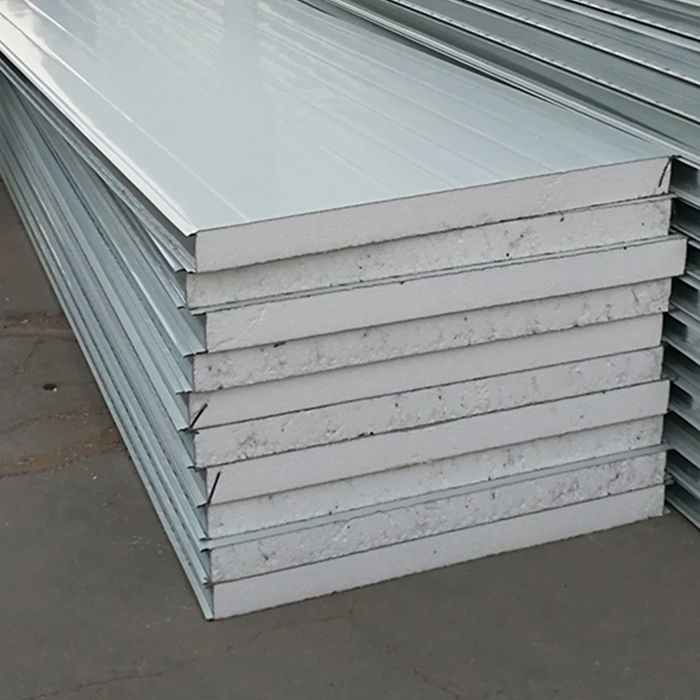
Chiller rooms are one of the most common types of cold storage used in Bangladesh. They operate at temperatures between 2 and 8 degrees Celsius, which is perfect for keeping fresh produce, dairy products, beverages, and certain pharmaceuticals cool without freezing them. Building a chiller room with the right Sandwich Panel makes a big difference in energy costs, product quality, and how long the facility lasts.
In this article, we will walk through everything you need to know about chiller room construction with Sandwich Panel. We will cover panel selection, insulation thickness, vapor barriers, flooring, and practical tips to keep your energy bills in check.
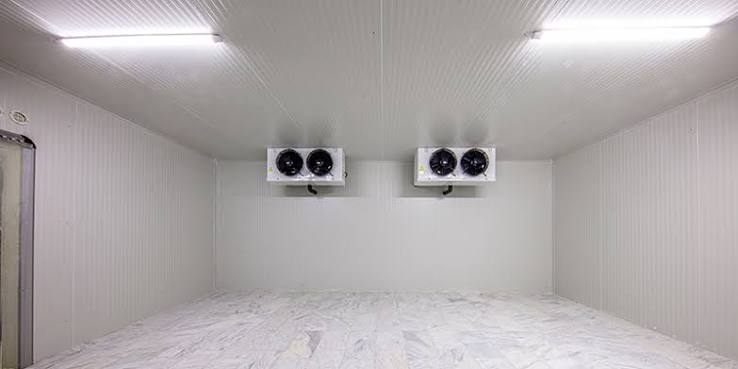
Chiller Room vs Freezer Room
The main difference between a chiller room and a freezer room is temperature. A chiller room operates between 2 and 8 degrees Celsius. A freezer room operates at minus 18 degrees Celsius or below. This difference affects almost every aspect of the construction.
Because the temperature difference between inside and outside is smaller for chiller rooms, the insulation requirements are less demanding. A chiller room in Bangladesh, where the outside temperature might reach 35 to 40 degrees Celsius, needs to manage a temperature difference of about 30 to 38 degrees. A freezer room at minus 20 degrees facing the same outdoor conditions needs to manage a difference of 55 to 60 degrees.
This means chiller rooms can use thinner panel, smaller refrigeration systems, and simpler flooring. The construction cost is correspondingly lower. However, the principles of proper insulation, moisture control, and air sealing remain just as important.
Panel Selection for Chiller Rooms
For chiller rooms operating between 2 and 8 degrees Celsius, PU or PUF Sandwich Panel are the preferred choice. They offer the best combination of thermal performance, moisture resistance, and structural strength for this temperature range.
Recommended panel thickness. For standard chiller rooms, 50 to 75 millimeter PU panel provide adequate insulation. In areas with very high ambient temperatures, such as the southern coastal regions of Bangladesh, 75 to 100 millimeter panel may be justified for better energy efficiency.
Steel facing options. The exterior facing is typically pre-painted galvanized steel in a color that reflects heat. The interior facing should have a food grade coating that resists moisture and is easy to clean. Both facings are usually 0.4 to 0.5 millimeters thick.
Panel density. The PU foam core should have a density of 32 to 40 kilograms per cubic meter. This density range provides the best balance of insulation performance and structural rigidity. Lower density foams may be cheaper but provide less insulation and are more susceptible to damage.
Insulation Thickness and Thermal Performance
Thermal performance is measured by the U value, which represents how much heat passes through one square meter of the panel per degree of temperature difference. A lower U value means better insulation.
For a 50 millimeter PU panel with a thermal conductivity of 0.022 W/mK, the U value is approximately 0.44 W/m2K. For a 75 millimeter panel, the U value drops to about 0.29 W/m2K. The 75 millimeter panel provides roughly 33 percent better insulation for about 30 percent more material cost.
In practice, the 75 millimeter option often pays for itself through energy savings within two to three years in Bangladesh's hot climate. The reduced load on the refrigeration system also extends equipment life, which adds to the long term savings.
Vapor Barriers and Moisture Management
Moisture control is important for chiller rooms, though less critical than for freezer rooms. The temperature difference is smaller, so condensation risk is lower. However, Bangladesh has high humidity levels year round, which increases the moisture load on any cold storage facility.
PU Sandwich Panel naturally provide good vapor resistance because of their closed cell foam structure. The water absorption rate is typically less than 2 percent by volume, which means very little moisture penetrates the panel core over time.
At panel joints and building penetrations, additional vapor barrier measures are recommended. Sealant between panel should be compatible with both the steel facing and the expected temperature range. At the junction between walls and the ceiling, a continuous vapor barrier membrane is often installed as a backup to the panel joints.
One common mistake is installing a vapor barrier only on the warm side of the panel. In a chiller room, the warm side is the exterior. But because humidity levels can vary, it is better to have vapor resistance on both sides, which PU panel provide naturally.
Flooring for Chiller Rooms
Chiller room flooring is simpler than freezer room flooring because ground freeze is not typically a concern. At 2 to 8 degrees Celsius, the temperature is not low enough to freeze the soil beneath the floor.
The typical chiller room floor consists of a concrete slab with a cold room rated floor finish. The finish should be slip resistant, easy to clean, and resistant to the cleaning chemicals used in food storage facilities. Epoxy coated concrete or food grade vinyl flooring are common choices.
Insulation beneath the slab is optional for chiller rooms but recommended for energy efficiency. A layer of 50 to 75 millimeter EPS or PU insulation under the concrete slab reduces heat gain through the floor, which lowers the load on the refrigeration system.
Drainage is another consideration. Chiller rooms often need floor drains for cleaning. The floor should be sloped toward the drain to prevent water pooling. The drain itself should be trapped to prevent warm air from entering the cold space.
Energy Efficiency Tips
Running a chiller room costs money, primarily in electricity for the refrigeration system. Here are practical ways to reduce those costs.
Insulate properly. This is the single most impactful step. Using the right panel thickness for your temperature requirements and climate conditions will reduce the load on the refrigeration system. The thicker the insulation, the less energy the compressor needs to run.
Seal all joints. Air leaks around door frames, panel joints, and pipe penetrations let warm, humid air into the chiller room. This forces the refrigeration system to work harder. Use quality sealants and gaskets, and inspect them regularly.
Use strip curtains at doors. Every time the door opens, warm air rushes in. Strip curtains or air curtains reduce this air exchange significantly. In busy facilities with frequent door openings, strip curtains can reduce energy consumption by 20 to 30 percent.
Maintain the refrigeration system. Clean condenser coils, check refrigerant levels, and ensure defrost cycles are working properly. A well maintained system uses 10 to 15 percent less energy than a neglected one.
Install LED lighting. Traditional lighting generates heat, which the refrigeration system must then remove. LED lights produce less heat and use less electricity, providing a double benefit.
Monitor temperature. Install temperature monitoring systems that alert you to problems before they cause product loss. Even small temperature fluctuations can affect product quality in sensitive items like dairy and pharmaceuticals.
Maintenance Requirements
Sandwich Panel chiller rooms require minimal maintenance compared to other construction methods, but regular attention keeps them performing well.
Monthly tasks. Inspect panel surfaces for damage, check door seals and gaskets, clean floor drains, and verify temperature readings against the set point.
Quarterly tasks. Clean panel surfaces with appropriate cleaning agents, inspect vapor barriers at penetrations, check insulation around pipes, and test alarm systems.
Annual tasks. Have the refrigeration system serviced by a qualified technician. Inspect the entire panel envelope for any signs of moisture infiltration or thermal bridging. Replace worn door gaskets and strip curtains as needed.
The smooth, non porous surfaces of PU Sandwich Panel make cleaning straightforward. Most food grade panel surfaces can be cleaned with standard food industry sanitizers without damage to the coating or the insulation core.
Common Mistakes to Avoid
Even with the right materials, mistakes during design or construction can undermine the performance of a chiller room.
Using panel that are too thin. To save money, some builders choose the thinnest panel available. This almost always costs more in the long run through higher electricity bills and increased refrigeration system maintenance.
Neglecting the floor. Insulating the walls and ceiling but leaving the floor uninsulated creates a thermal bridge that wastes energy and can cause condensation problems.
Poor door placement. Doors that open directly to the outside without an airlock or vestibule allow massive amounts of warm, humid air to enter the chiller room every time they open.
Skipping vapor barriers at penetrations. Pipe and conduit penetrations through the panel envelope are common points of moisture entry. Each penetration must be sealed with compatible materials.
Getting Started
Building a chiller room starts with understanding what you will store and what temperature range you need. From there, the panel type, thickness, and construction details follow logically.
At RPS Construction, we manufacture PU Sandwich Panel suitable for chiller room applications across Bangladesh. Our panel provide the thermal performance and moisture resistance these facilities need. We handle everything from design consultation through manufacturing and professional installation.
Contact us today to discuss your chiller room project and get a free quotation.