Bangladesh is one of the largest fish exporting countries in the world. The pharmaceutical sector is growing rapidly. Food preservation needs are rising with the population. All of this adds up to a huge demand for freezer rooms, and the material you choose for the walls, ceiling, and floor makes or breaks the performance of these cold storage facilities.
In this article, we will explain how Sandwich Panel are used to build freezer rooms across Bangladesh. We will cover the specific panel types that work best, the thickness you need for different temperature requirements, and the local factors that affect your decision.
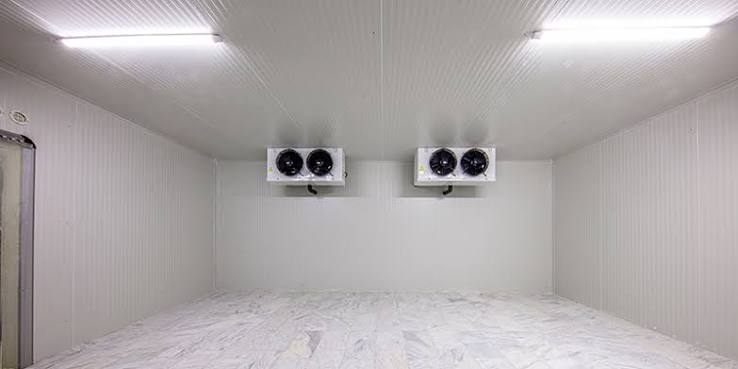
Why Bangladesh Needs Freezer Rooms
Bangladesh exports fish and seafood worth over one billion dollars annually. To maintain product quality from the time of catch to the time of delivery, cold chain infrastructure is essential. Without proper freezer and cold storage facilities, perishable products spoil quickly in the tropical climate where temperatures regularly exceed 35 degrees Celsius.
Beyond fisheries, the pharmaceutical industry in Bangladesh produces medicines for both domestic use and export. These products require temperature controlled storage throughout the supply chain. The dairy, poultry, and agricultural sectors also depend on cold storage to reduce waste and extend shelf life.
The government has recognized this need and is investing in cold chain development. Private sector investment is growing as well, with new cold storage facilities being built across the country. Sandwich Panel have become the preferred construction material for these projects because they deliver the performance these facilities need at a reasonable cost.
Freezer Room Temperature Zones
Not all freezer rooms operate at the same temperature. The required temperature depends on what you are storing, and that determines the panel specifications you need.
Chiller Rooms (2 to 8 Degrees Celsius)
Chiller rooms keep products cool but not frozen. They are used for fresh produce, dairy, beverages, and some pharmaceuticals. PU Sandwich Panel with a thickness of 50 to 75 millimeters provide adequate insulation for this temperature range.
Standard Freezer Rooms (-18 to -25 Degrees Celsius)
This is the most common temperature range for frozen food storage. Fish, meat, and prepared foods are typically stored at minus 18 degrees Celsius or below. PU Sandwich Panel with a thickness of 100 to 150 millimeters are standard for these applications. The thicker the panel, the better the insulation performance and the lower the operating costs.
Deep Freeze Rooms (-30 to -40 Degrees Celsius)
Deep freeze rooms are used for long term storage of high value products. Some seafood exports require storage at minus 30 degrees Celsius or lower. For these applications, PU panel with thicknesses of 150 to 200 millimeters are recommended. The additional insulation thickness reduces heat transfer and keeps the refrigeration system from running constantly.
PU Sandwich Panel Specifications for Freezer Rooms
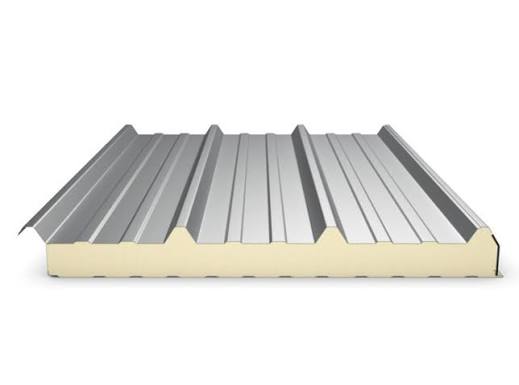
PU or PUF Sandwich Panel are the standard choice for freezer room construction in Bangladesh. Here is what makes them the right fit.
Thermal conductivity. PU foam has a thermal conductivity of approximately 0.022 to 0.024 W/mK, which is significantly better than EPS at 0.035 to 0.040 W/mK or Rockwool at 0.035 to 0.040 W/mK. This means PU panel provide better insulation with less thickness.
Closed cell structure. The foam core consists of millions of tiny closed cells filled with insulating gas. This structure prevents moisture from entering the panel, which is critical in freezer applications where condensation and frost buildup are constant threats.
Steel facings. The outer layers are pre-painted galvanized steel, typically 0.4 to 0.5 millimeters thick. For freezer rooms, the inner facing should have a food grade coating that resists corrosion and is easy to clean. The steel provides structural rigidity and protects the insulation core from physical damage.
Panel Thickness Recommendations
Choosing the right panel thickness is one of the most important decisions in freezer room design. Too thin and the refrigeration system will struggle to maintain temperature, driving up electricity costs. Too thick and you are paying for insulation you do not need.
Here are the general guidelines for Bangladesh based on local climate conditions.
- Chiller rooms (2 to 8 degrees Celsius): 50 to 75 millimeter PU panel
- Standard freezer rooms (-18 to -25 degrees Celsius): 100 to 150 millimeter PU panel
- Deep freeze rooms (-30 to -40 degrees Celsius): 150 to 200 millimeter PU panel
- Blast freezers (-35 to -45 degrees Celsius): 200 millimeter or thicker PU panel
The ambient temperature in Bangladesh, which can reach 40 degrees Celsius in summer, means that slightly thicker panel are often recommended compared to facilities in cooler climates. The higher the temperature difference between inside and outside, the more insulation you need.
Moisture Barriers and Vapor Control
Moisture is the enemy of any cold storage facility. When warm, humid air meets cold surfaces, condensation forms. In extreme cases, this moisture can freeze, build up as ice, and damage both the panel and the refrigeration equipment.
PU Sandwich Panel handle this problem naturally. The closed cell foam structure has a water absorption rate of less than 2 percent by volume, which means very little moisture penetrates the insulation core. The steel facings act as vapor barriers on both sides of the panel.
Proper installation reinforces this moisture protection. Panel joints must be sealed with compatible sealants. At floor and ceiling junctions, additional vapor barrier membranes are typically installed to create a complete moisture envelope around the freezer room.
Flooring Systems for Freezer Rooms
The floor of a freezer room gets special attention because it must support the weight of stored products, forklifts, and racking while also preventing ground freeze. If the cold from the freezer penetrates the ground beneath, the soil can freeze and expand, causing the floor to heave and crack.
The typical freezer room floor system in Bangladesh includes several layers. A concrete slab provides the structural base. Below the slab, a heated floor system or insulation layer prevents ground freeze. Above the slab, a cold room rated floor finish provides a durable, easy to clean surface.
Some builders use insulated floor panel in combination with the concrete slab. These panel, typically made from high density EPS or polyurethane foam, add an additional layer of thermal protection between the freezer room and the ground.
Local Market Pricing in Bangladesh
Pricing for freezer room construction varies based on the size of the room, the panel thickness, the refrigeration system, and the contractor. Here are some general ranges for the Sandwich Panel component only, based on current market conditions.
PU Sandwich Panel for freezer rooms typically cost between 650 and 950 Bangladeshi Taka per square foot depending on thickness. Thicker panel for deep freeze applications fall toward the higher end of this range.
Installation costs generally add 15 to 25 percent to the material cost. This includes the panel installation, sealing, and basic finishing work.
Complete freezer room construction including panel, installation, refrigeration system, flooring, and electrical work typically ranges from 2,500 to 5,000 Taka per square foot depending on the temperature requirement and finishing specifications.
These costs make Sandwich Panel freezer rooms significantly more affordable than traditional construction methods, which can cost 40 to 60 percent more while providing inferior insulation performance.
Choosing the Right Supplier
The quality of Sandwich Panel varies significantly between manufacturers. Here are key factors to consider when selecting a supplier for your freezer room project.
Manufacturing equipment. Panel produced on continuous lamination lines have more consistent density and better bonding than batch produced panel. Ask about the manufacturing process and equipment used.
Material certifications. The steel facings should meet relevant Bangladeshi and international standards. The foam core should have documented thermal conductivity values. Ask for test certificates and material data sheets.
Track record. Look for suppliers who have completed freezer room projects similar to yours. References from past customers are valuable. A supplier with experience in your specific industry will understand the requirements better.
Installation capability. The best panel in the world will not perform well if they are installed incorrectly. Choose a supplier who provides professional installation services, not just material supply.
Getting Started
Building a freezer room starts with understanding your storage requirements. What products will you store? What temperature do they need? How much space do you require? What is your budget?
At RPS Construction, we manufacture PU Sandwich Panel specifically designed for cold storage applications in Bangladesh. Our panel meet the thermal performance requirements for chiller rooms, standard freezer rooms, and deep freeze applications. We provide complete services from design consultation through manufacturing and professional installation.
Contact us today to discuss your freezer room project and get a detailed quotation.