If you have been looking into modern construction materials, you have probably come across the term Sandwich Panel. They show up in warehouses, cold rooms, factories, and commercial buildings all over the world. But what exactly are they, and why have they become so popular?
In this guide, we will explain what Sandwich Panel are, how they work, and where they are used. We will also cover the different core materials available and help you understand which type might be right for your project.
What is a Sandwich Panel
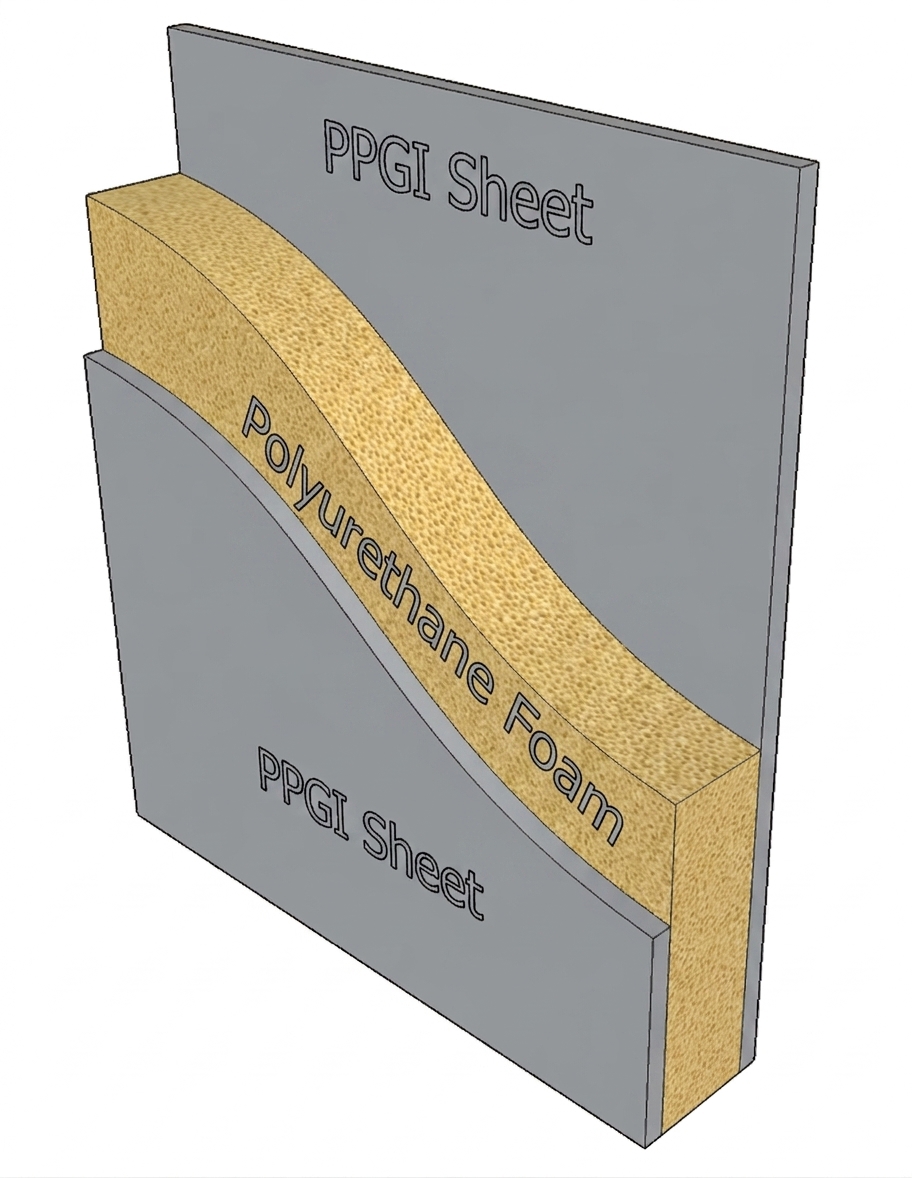
A Sandwich Panel is a composite building material made up of three layers. The two outer layers are rigid facings, usually made from pre-painted galvanized steel or aluminum. The middle layer is an insulation core that provides thermal resistance and structural support.
Think of it like a sandwich bread filling bread. The steel facings act as the bread, giving the panel its strength and weather resistance. The insulation core is the filling, providing the thermal and acoustic properties that make the panel useful.
According to research from the Structural Insulated Panel Association, this three-layer design consolidates what would traditionally require multiple separate components into a single factory-made unit. Instead of installing framing, insulation, vapor barriers, and sheathing separately, you get all of these functions in one panel.
How Sandwich Panel Are Made
The manufacturing process depends on the core material, but the general approach is the same. The two steel facings are fed into a continuous lamination line. The insulation core material is either injected between the facings or placed as a pre-formed slab. Under controlled temperature and pressure, the core bonds to the steel facings using a polyurethane adhesive.
Quality manufacturing matters here. Panel produced on continuous production lines tend to have more consistent density and better bonding compared to batch-produced panel. This consistency directly affects thermal performance and structural integrity over the life of the building.
The Three Main Core Materials
Not all Sandwich Panel are the same. The core material determines thermal performance, fire behavior, weight, and cost. Here are the three most common options:
EPS (Expanded Polystyrene)
EPS is the most budget-friendly option. It is made from polystyrene beads that are expanded using steam, creating a lightweight material filled with air pockets. EPS panel typically have a thermal conductivity of 0.035 to 0.040 W/mK and weigh about 12 to 16 kg per cubic meter.
EPS works well for warehouses, temporary structures, and projects where fire resistance is not the primary concern. It is easy to handle and install, which keeps labor costs down.
PU / PUF (Polyurethane Foam)
PU panel use closed-cell polyurethane foam as the core. This material has the best thermal performance of the three, with a thermal conductivity of around 0.022 W/mK. That means a 50mm PU panel provides the same insulation as a 100mm EPS panel.
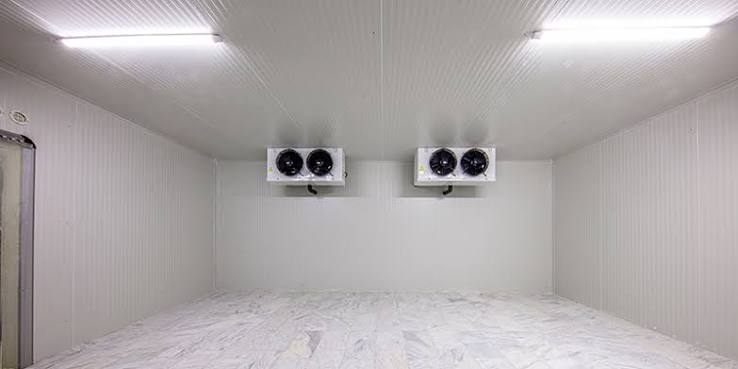
PU panel are the standard choice for cold storage, food processing facilities, and any application where maintaining a specific temperature matters. The closed-cell structure also resists moisture absorption, which is critical in cold and humid environments.
Rockwool (Mineral Wool)
Rockwool panel are made from basalt rock that has been melted and spun into fibers. The key advantage is fire resistance. Rockwool is classified as non-combustible and can withstand temperatures above 1000 degrees Celsius without melting or releasing toxic gases.
Rockwool also provides excellent acoustic insulation, with noise reduction coefficients of 0.85 to 0.95. The trade-off is weight. Rockwool panel are significantly heavier than EPS or PU, which means the building structure needs to support higher loads.
Where Sandwich Panel Are Used
Sandwich Panel show up in a wide range of buildings and applications:
- Cold storage and freezer facilities where temperature control is critical for product quality
- Warehouses and factories where fast construction and energy efficiency matter
- Clean rooms in pharmaceutical and electronics manufacturing that require dust-free, temperature-controlled environments
- Commercial buildings like shopping centers and office complexes
- Agricultural buildings including poultry houses and livestock facilities
- Modular and prefabricated structures that need quick assembly
According to a study on prefabrication in construction, Sandwich Panel can reduce construction schedules by up to 50 percent compared to traditional building methods. One school project in the United States used SIPs to dry-in a 68,000 square foot building in just 47 days, representing a 60 to 80 percent time saving.
Advantages Over Traditional Construction
There are several reasons Sandwich Panel have become popular in modern construction:
Faster installation. Panel are large-format and combine multiple functions. A typical warehouse wall that takes two to three weeks with conventional methods can be completed in three to five days using Sandwich Panel.
Better energy efficiency. The continuous insulation core eliminates thermal bridging that occurs with traditional stud construction. Research shows this results in 15 to 25 percent better energy performance compared to conventional insulated walls.
Lower labor costs. The all-in-one nature of panel reduces the number of trades needed on site. Studies indicate this can lower total labor costs by up to 25 percent.
Consistent quality. Factory production means every panel meets the same specifications. There is less variability compared to site-built assemblies where quality depends on individual workers and weather conditions.
Things to Consider Before Choosing Sandwich Panel
Sandwich Panel are not the right choice for every situation. Here are some factors to keep in mind:
Fire requirements. Building codes and insurance requirements vary. Foam-core panel like EPS and PU are combustible and may not meet fire separation requirements in certain building types. Rockwool panel are non-combustible and pass most fire codes.
Building geometry. Panel work best with simple, regular building shapes. Buildings with many openings, complex angles, or irregular layouts can be more challenging and expensive to panel.
Installation quality. The performance of a Sandwich Panel system depends heavily on proper installation. Joints, fasteners, seals, and flashings all need to be correctly detailed. Poor installation can lead to leaks, thermal bridges, and premature failure.
Getting Started
Choosing the right Sandwich Panel starts with understanding your project requirements. What temperature do you need to maintain? What are the local fire code requirements? What is your budget? What is the building geometry?
At RPS Construction, we manufacture EPS, PU, and Rockwool Sandwich Panel in Bangladesh. Our team can help you select the right panel type, thickness, and facing material for your specific application. We handle everything from manufacturing to professional installation.
If you are planning a new construction project or considering insulated panel for an existing building, contact us for a free consultation and quote.