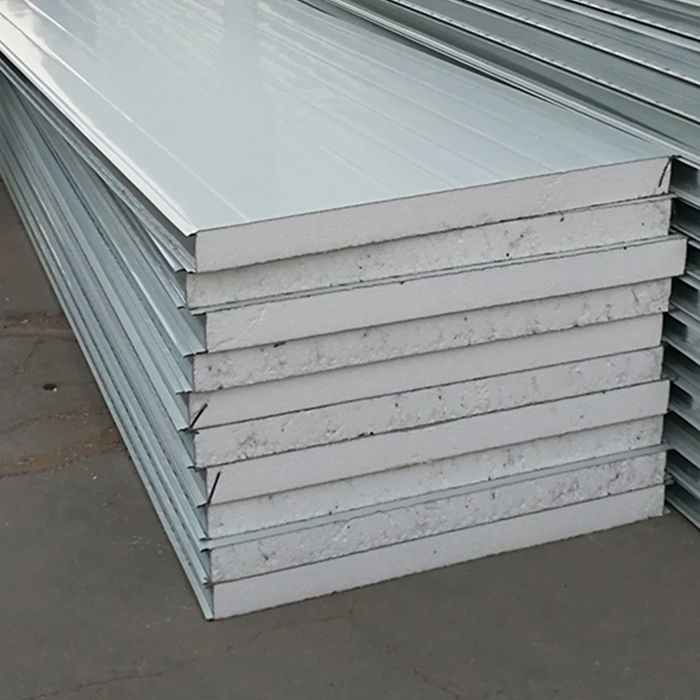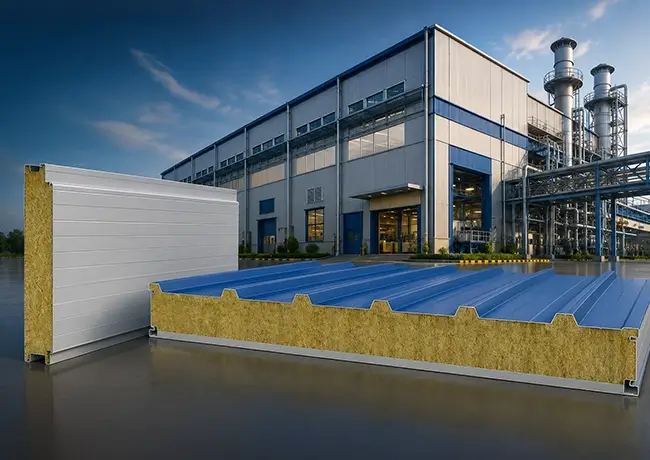
When it comes to insulating industrial and commercial buildings, EPS (Expanded Polystyrene) has earned its place as one of the most reliable and cost effective materials available. It keeps buildings cool in summer and warm in winter, and it does so without breaking the budget. If you are managing a warehouse, factory, cold room, or any commercial facility in Bangladesh, understanding how EPS insulation works can save you serious money on energy bills over the life of the building.
In this guide we will walk through the thermal properties that make EPS effective, the density options you can choose from, how it handles moisture, and how it stacks up against other insulation materials. We will also look at real applications in buildings, cold storage, and packaging, and finish with R value data and energy savings calculations.
What is EPS Insulation
EPS stands for Expanded Polystyrene. It is a rigid foam insulation material made from polystyrene beads that are expanded using steam. During manufacturing, the beads are heated until they swell to many times their original size. These expanded beads are then molded into blocks, sheets, or custom shapes depending on the application.
The key to EPS insulation performance is the structure of the material. Each bead contains millions of tiny air pockets trapped within the polystyrene matrix. Since still air is one of the best insulators, this structure gives EPS its thermal resistance. The material is lightweight, easy to cut and shape, and can be manufactured in a wide range of densities to suit different applications.
Thermal Properties That Make EPS Effective
The thermal performance of any insulation material is measured by its thermal conductivity, expressed in W/mK. Lower numbers mean better insulation. EPS typically ranges from 0.032 to 0.040 W/mK depending on density and manufacturing quality.
At a density of 20 kg per cubic meter, EPS achieves a thermal conductivity of about 0.035 W/mK. This means a 100mm thick EPS panel provides a thermal resistance of approximately 2.86 m2K per watt. For most commercial building applications in Bangladesh, 50mm to 100mm panel provide adequate insulation against the tropical heat.
What makes EPS thermally effective beyond just the conductivity number is the continuous nature of the insulation. When used in Sandwich Panel, EPS eliminates the thermal bridging that occurs with traditional stud wall construction. Studies consistently show that continuous insulation systems perform 15 to 25 percent better than framed wall systems with cavity insulation, even when the nominal R values are the same.
Density Options and Their Applications
EPS is available in several density grades, and choosing the right one matters for both performance and cost:
Low density (10 to 15 kg per cubic meter) is the lightest and most affordable option. It works well for packaging, temporary structures, and non load bearing applications where thermal performance is the primary goal.
Medium density (15 to 25 kg per cubic meter) is the most common range for building insulation. Panel in this density range offer a good balance of thermal performance, structural strength, and cost. Most Sandwich Panel manufacturers use 18 to 22 kg per cubic meter for wall and roof panel.
High density (25 to 35 kg per cubic meter) is used where higher compressive strength is needed, such as insulated floor systems, foundations, or areas subject to foot traffic or heavy loads.
How EPS Handles Moisture
Moisture resistance is an important consideration in Bangladesh, where humidity levels regularly exceed 80 percent during monsoon season. EPS performs well in wet conditions because of its closed cell structure. The material absorbs very little water, typically less than 4 percent by volume when submerged for 24 hours.
Unlike some fibrous insulation materials that lose performance when damp, EPS maintains its thermal properties even in high humidity environments. The material does not support mold growth, does not rot, and does not decompose. This makes it particularly suitable for cold storage applications where condensation is a constant concern.
For building applications, proper installation is still important. Panel should be installed with appropriate vapor barriers and sealed at joints to prevent moisture from migrating behind the insulation. When installed correctly, EPS insulation systems can maintain their performance for 50 years or more.
How EPS Compares with Other Insulation Materials
Understanding how EPS stacks up against alternatives helps you make informed decisions for your project:
EPS vs fiberglass batts. Fiberglass is widely available but has several drawbacks in commercial applications. It loses R value when compressed, absorbs moisture in humid environments, and requires a separate vapor barrier. EPS in Sandwich Panel combines insulation, structure, and weather protection in one component. For commercial buildings in Bangladesh, EPS generally provides better long term value.
EPS vs PU foam. PU (polyurethane) foam has better thermal conductivity at around 0.022 W/mK, meaning you can achieve the same insulation value with thinner panel. However, EPS costs 30 to 40 percent less than PU, making it the more economical choice for projects where panel thickness is not a constraint.
EPS vs Rockwool. Rockwool excels at fire resistance and acoustic insulation but is heavier and more expensive than EPS. For buildings where fire code compliance requires non-combustible insulation, Rockwool is the right choice. For most commercial warehouses and factories in Bangladesh, EPS meets requirements at a lower cost.
Applications in Buildings, Cold Storage, and Packaging
EPS insulation finds use across a surprising range of applications:
Commercial buildings. Office buildings, retail spaces, and hotels use EPS Sandwich Panel for walls and roofs. The material provides consistent thermal resistance, helping HVAC systems maintain comfortable temperatures without excessive energy consumption.
Cold storage facilities. This is where EPS really proves its worth. Cold rooms, freezer warehouses, and food processing facilities require reliable insulation that resists moisture and maintains consistent temperatures. EPS panel with thicknesses of 100mm to 200mm are standard for cold storage construction in Bangladesh.
Industrial factories. Manufacturing facilities benefit from EPS insulation in both the building envelope and process piping. Pipe insulation sections made from EPS protect against heat loss and condensation in hot water, chilled water, and refrigerant lines.
EPS packaging. Beyond construction, molded EPS packaging protects fragile goods during shipping. Refrigerator packaging, electronics packaging, fish boxes, and pharmaceutical packaging all rely on EPS for impact protection and temperature control.
R Value Data and Thickness Guide
R value measures thermal resistance. Higher R values mean better insulation. Here is what you can expect from EPS panel at different thicknesses:
| Panel Thickness | R Value (m2K/W) | Typical Application |
|---|---|---|
| 25mm | 0.71 | Interior partitions, mild climates |
| 50mm | 1.43 | Commercial walls, moderate insulation |
| 75mm | 2.14 | Warehouses, moderate to good insulation |
| 100mm | 2.86 | Standard commercial, good insulation |
| 150mm | 4.29 | Cold storage above 0 degrees Celsius |
| 200mm | 5.71 | Deep freeze storage, high performance |
These values assume a thermal conductivity of 0.035 W/mK, which is typical for medium density EPS used in Sandwich Panel.
Energy Savings Calculations
The real financial benefit of EPS insulation shows up in reduced energy costs. Here is a simplified example for a 1,000 square meter warehouse in Dhaka:
Without insulation, the building might require 150 kWh per square meter annually for cooling. With 100mm EPS wall panel and 150mm EPS roof panel, that number drops to roughly 85 kWh per square meter. At an electricity cost of 8 taka per kWh, the annual savings would be about 520,000 taka. With a typical panel installation cost of 1.5 million taka for this building size, the insulation pays for itself in approximately three years.
Over a 25 year building life, the total energy savings would exceed 13 million taka, making insulation one of the highest return investments in commercial construction.
These numbers are conservative estimates. Actual savings depend on building design, occupancy patterns, equipment loads, and local climate conditions. But the general principle holds. EPS insulation pays for itself quickly and continues delivering value for decades.
Getting Started with EPS Insulation
Choosing the right EPS insulation starts with understanding your building requirements. Consider the climate zone, building use, required indoor temperature, fire code requirements, and budget constraints. For most commercial and industrial projects in Bangladesh, medium density EPS panel in the 50mm to 100mm range provide the best balance of performance and value.
At RPS Construction, we manufacture EPS Sandwich Panel in our own facility in Bangladesh. Our panel are made with consistent density and quality control, and we handle professional installation to make sure you get the thermal performance you are paying for. Whether you are building a new warehouse, upgrading an existing facility, or planning a cold storage project, we can help you select the right insulation solution.
Contact us for a free consultation and quote. Our team will review your project requirements and recommend the right EPS panel specifications for your needs.