Choosing the right Sandwich Panel for your project is not as simple as picking the cheapest option. Each core material behaves differently under heat, moisture, and load. The wrong choice can lead to higher energy bills, safety violations, or costly repairs down the line.
In this comparison, we will walk through the three main Sandwich Panel cores used in construction today: EPS, PU, and Rockwool. We will look at how they perform, what they cost, and where each one makes the most sense.

Understanding the Three Core Materials
Before comparing numbers, it helps to understand what each core actually is. EPS is expanded polystyrene, the white bead foam you might recognize from packaging. PU is polyurethane foam, a closed-cell material commonly used in refrigerator insulation. Rockwool is mineral wool made from basalt rock, spun into dense fibers and formed into rigid slabs.
All three serve the same basic purpose, trapping air to slow heat transfer. But they do it in different ways, and that difference matters when you look at performance data.
Thermal Conductivity
Thermal conductivity measures how easily heat passes through a material. The lower the number, the better the insulation. Here is where the three cores stand:
- EPS: 0.035 to 0.040 W/mK
- PU: 0.022 to 0.025 W/mK
- Rockwool: 0.040 to 0.045 W/mK
PU is the clear winner here. A 50mm PU panel provides roughly the same thermal resistance as a 100mm EPS panel or a 120mm Rockwool panel. That means you can use thinner PU panel to achieve the same insulation value, which saves space and reduces the overall weight of the building.
Rockwool has the highest conductivity of the three, but that does not make it a poor insulator. It simply means you need more thickness to match PU performance. Where Rockwool shines is in acoustic insulation, where its dense fiber structure absorbs sound far better than foam cores.
Fire Ratings
This is where the differences become serious. Fire behavior is not just a technical detail, it can determine whether your building passes code inspection and whether your insurance company will cover you.
- EPS: Class E. It is combustible and will burn when exposed to direct flame. In a fire, EPS panel can contribute to fire spread and release toxic smoke.
- PU: Class B. Better than EPS, but still a combustible material. Fire-retardant additives can slow the spread, but the core will degrade under sustained heat.
- Rockwool: Class A1, non-combustible. Rockwool does not burn, does not release toxic gases, and maintains structural integrity at temperatures above 1000 degrees Celsius.
For buildings with strict fire codes such as garment factories, hospitals, and high-rise structures, Rockwool is often the only option that meets regulatory requirements. We cover this in more detail in our article on Rockwool fire safety.
Side by Side Comparison
Here is a quick reference table to compare the three cores at a glance:
| Property | EPS | PU | Rockwool |
|---|---|---|---|
| Thermal Conductivity | 0.035 to 0.040 W/mK | 0.022 to 0.025 W/mK | 0.040 to 0.045 W/mK |
| Fire Class | Class E (Combustible) | Class B | Class A1 (Non-combustible) |
| Density | 12 to 16 kg/m3 | 30 to 45 kg/m3 | 80 to 150 kg/m3 |
| Weight | Lightest | Medium | Heaviest |
| Moisture Resistance | Moderate | Excellent (closed-cell) | Good (needs facing) |
| Acoustic Performance | Low | Moderate | Excellent (NRC 0.85 to 0.95) |
| Cost per sqm | Lowest | Medium | Highest |
Weight and Structural Considerations
Rockwool panel are significantly heavier than foam cores. A 50mm Rockwool panel can weigh three to four times more than a 50mm EPS panel. This matters for the building frame, foundation design, and transport costs.
Lighter panel are easier to handle on site, require less heavy equipment for installation, and put less demand on the supporting structure. For temporary buildings, warehouses with simple frames, or projects where structural weight is a concern, EPS and PU have a practical advantage.
That said, the added weight of Rockwool contributes to better acoustic performance and dimensional stability. For permanent buildings where noise control or fire safety is a priority, the structural investment is worth it.
Understanding the Cost Difference
Price per square meter varies significantly across the three types. In Bangladesh, you can generally expect these ranges for a standard 50mm panel with pre-painted steel facing:
- EPS: 800 to 1200 BDT per sqm
- PU: 1500 to 2500 BDT per sqm
- Rockwool: 1800 to 2800 BDT per sqm
But panel price alone does not tell the full story. PU panel cost more upfront but can save significant money on energy bills over the life of the building because of their superior insulation. Rockwool panel cost the most but may be required by building codes, and they can lower insurance premiums.
The cheapest panel is not always the cheapest option when you factor in energy costs, maintenance, and compliance. Our pricing guide covers this topic in more detail.
Best Applications for Each Type
Here is a practical guide to choosing the right core for common project types:
Choose EPS for:
- Warehouses and storage facilities where fire codes are less strict
- Temporary structures and site offices
- Projects with tight budgets where insulation is important but not critical
- Agricultural buildings like poultry houses
Choose PU for:
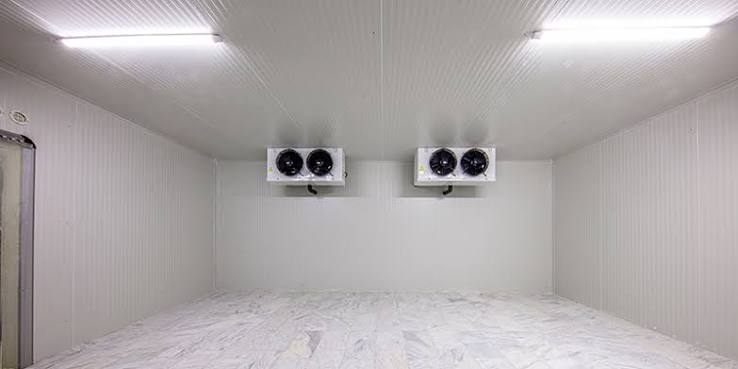
- Cold storage and freezer facilities where temperature control is essential
- Food processing plants that need clean, moisture-resistant walls
- Buildings where space is limited and thin, high-performance panel are needed
- Hotels and commercial buildings where energy efficiency matters
Choose Rockwool for:
- Garment factories and industrial buildings with strict fire codes
- Hospitals and healthcare facilities
- High-rise buildings and structures with fire separation requirements
- Any project where acoustic insulation is a priority
Making the Right Choice
There is no single best core material. The right choice depends on what matters most for your specific project. If budget is the primary concern and fire codes allow it, EPS gets the job done. If energy efficiency and temperature control are critical, PU delivers the best performance per millimeter. If fire safety and acoustic performance cannot be compromised, Rockwool is the way to go.
At RPS Construction, we manufacture all three types of Sandwich Panel in Bangladesh. Our team can help you evaluate your project requirements and recommend the right panel type, thickness, and configuration. We handle manufacturing, delivery, and professional installation.
Contact us for a free consultation and let us help you choose the panel that fits your needs and budget.