Fire is one of the biggest risks in any building. The materials you choose for walls, roofs, and ceilings directly affect how a fire spreads, how much time occupants have to escape, and how much damage the structure sustains. In Bangladesh, where building fires regularly make headlines, this is not an abstract concern.
Rockwool Sandwich Panel stand apart from foam-core alternatives because of how they perform when exposed to fire. This article explains what that performance looks like in real conditions and why it matters for your building.

Why Fire Resistance Matters
Building fires do not give you time to prepare. They start quickly, spread faster than most people expect, and produce toxic smoke that can be more dangerous than the flames themselves. The materials in your building walls either help the fire spread or help contain it.
Fire resistance is measured in ratings that indicate how long a building element can withstand fire exposure while maintaining its structural function, blocking flames, and preventing heat transfer. These ratings matter for occupant safety, property protection, and compliance with building codes.
In garment factories, where the combination of fabric inventory, electrical loads, and high occupancy creates significant fire risk, the choice of wall and roof material can determine whether a fire is contained to one room or spreads through the entire building.
The Class A1 Non-Combustible Rating
The European fire classification system, which is widely used internationally, rates materials from A1 (the best) to F (the worst). Rockwool is classified as A1, which means it is non-combustible.
What does non-combustible actually mean in practice? When a Rockwool panel is exposed to direct flame, the mineral fibers do not ignite, do not melt, and do not produce significant amounts of smoke or toxic gases. The material absorbs heat without contributing fuel to the fire.
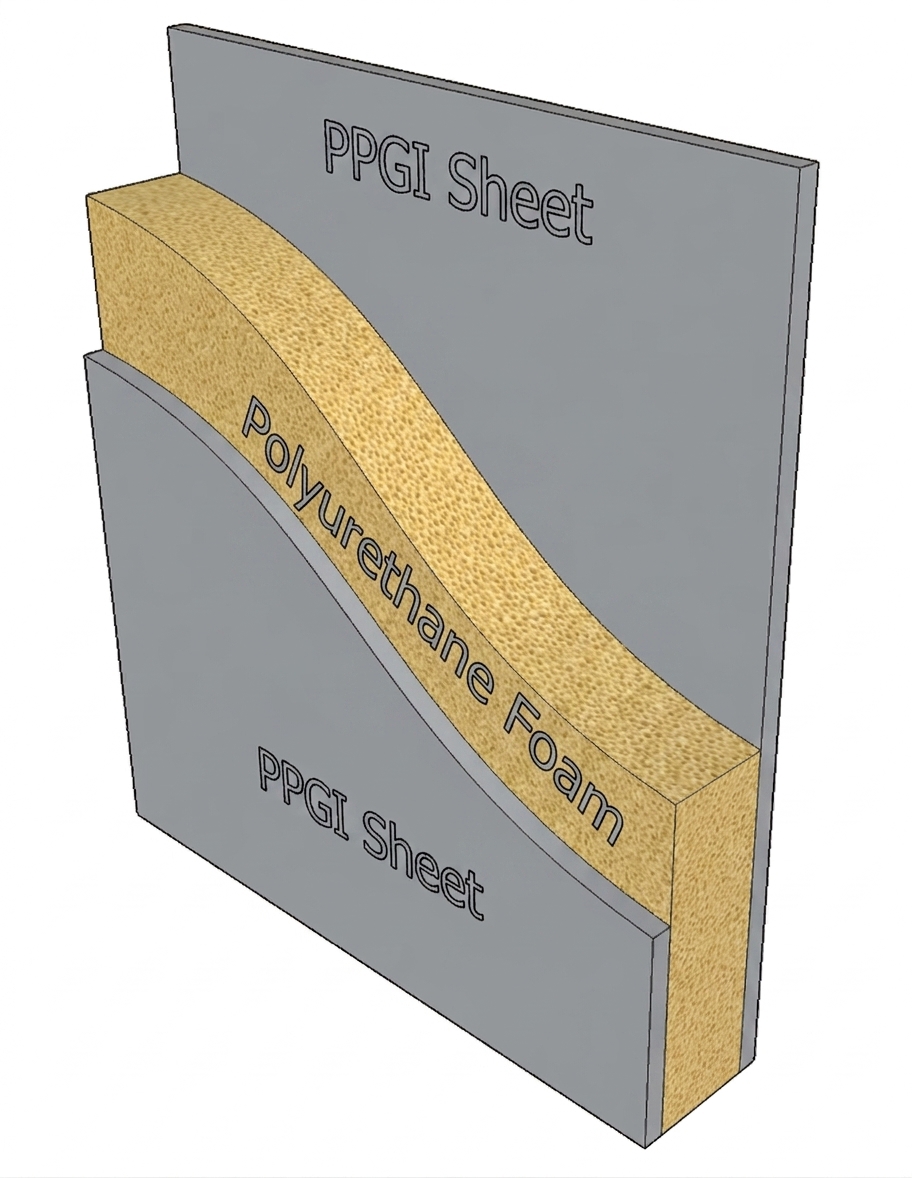
Compare that to foam cores. EPS is classified as Class E, meaning it is combustible and will burn when exposed to direct flame. In a fire, EPS panel can ignite, melt, and release thick black smoke containing toxic gases like styrene and carbon monoxide. PU foam performs somewhat better with a Class B rating, but it will still degrade and burn under sustained heat.
How Rockwool Performs in Real Fire Conditions
Laboratory ratings are useful, but real-world performance matters more. Here is what happens when Rockwool panel are exposed to fire conditions:
Temperature resistance. Rockwool is made from basalt rock with a melting point above 1000 degrees Celsius. Typical building fires reach 600 to 900 degrees Celsius. Rockwool maintains its structural integrity and insulating properties throughout most of this range, while foam cores begin to degrade at much lower temperatures.
No toxic smoke. One of the leading causes of fire deaths is smoke inhalation, not burns. Foam panel release toxic gases when they burn. Rockwool does not produce smoke or toxic emissions because it does not burn.
Fire containment. When used as wall and roof cladding, Rockwool panel act as fire barriers that slow or prevent fire spread between rooms and floors. This containment buys time for occupants to evacuate and for firefighters to respond.
Structural stability. Even after prolonged fire exposure, Rockwool panel maintain their shape and position. Foam panel can melt, collapse, or fall away, creating openings that allow fire to spread to adjacent areas.
Comparing Rockwool with Foam Cores
The fire performance difference between Rockwool and foam cores is dramatic:
| Property | EPS | PU | Rockwool |
|---|---|---|---|
| Fire Class | Class E (Combustible) | Class B | Class A1 (Non-combustible) |
| Melting Point | Starts degrading at 80C | Starts degrading at 120C | Above 1000C |
| Smoke Production | Heavy, toxic | Moderate, toxic | None |
| Fire Spread | Contributes to spread | Can contribute | Acts as fire barrier |
For buildings where fire safety cannot be compromised, the choice is clear. Rockwool provides protection that foam cores simply cannot match, regardless of what additives or fire retardants are mixed into the foam.
Building Code Requirements
Bangladesh National Building Code (BNBC) and various international standards specify fire resistance requirements based on building type, height, and occupancy. These requirements are not suggestions, they are legal obligations that building owners and developers must meet.
Fire-rated materials are mandatory in several building categories:
- Garment factories and industrial buildings with high occupancy and combustible inventory
- Hospitals and healthcare facilities where occupants may not be able to evacuate quickly
- High-rise buildings where fire spread between floors is a critical concern
- Commercial buildings and shopping centers with public access
- Schools and educational institutions with vulnerable occupants
- Warehouses storing flammable materials
Using combustible panel in these buildings is not just dangerous, it can result in failed inspections, fines, and loss of operating permits. In the event of a fire, using non-rated materials in a building that requires fire-rated construction can also create legal liability for the building owner.
Insurance Implications
Insurance companies evaluate fire risk when setting premiums and determining coverage. Buildings constructed with non-combustible materials like Rockwool generally qualify for lower insurance premiums compared to buildings with foam-core panel.
The reasoning is straightforward. A building with Rockwool panel is less likely to suffer catastrophic fire damage, less likely to have a fire spread beyond its point of origin, and less likely to result in total loss. From the insurer's perspective, that means lower risk and lower potential payouts.
In some cases, insurance companies may require fire-rated construction for specific building types or may refuse coverage entirely for buildings that do not meet minimum fire resistance standards. Checking with your insurer before choosing panel materials can save significant money and avoid coverage surprises.
Where Fire-Rated Panel Are Mandatory
Even if your local building code does not explicitly require Rockwool for your specific project, there are situations where using fire-rated panel is simply the responsible choice:
Any building with sleeping occupants. Hotels, dormitories, and residential buildings where people may be asleep during a fire need maximum fire containment to allow safe evacuation.
Buildings with high-value inventory. Warehouses, data centers, and storage facilities where the contents are worth more than the building itself benefit from fire containment that limits damage.
Facilities with vulnerable populations. Hospitals, clinics, elder care facilities, and schools serve people who may have difficulty evacuating quickly.
Buildings in dense areas. When adjacent buildings are close together, fire spread from one building to another is a real risk. Non-combustible cladding reduces that risk.
Making the Fire Safety Investment
Rockwool panel cost more than foam alternatives. That is a fact. But the investment buys real protection that foam panel cannot provide. In a fire, those extra minutes of structural integrity and the absence of toxic smoke can mean the difference between a contained incident and a catastrophe.
At RPS Construction, we manufacture Rockwool Sandwich Panel in Bangladesh for exactly this reason. We believe buildings should protect the people inside them, and fire-rated construction is a fundamental part of that protection.
Contact us to learn more about Rockwool panel specifications for your project. We can help you understand the fire code requirements that apply to your building type and recommend the right panel configuration.