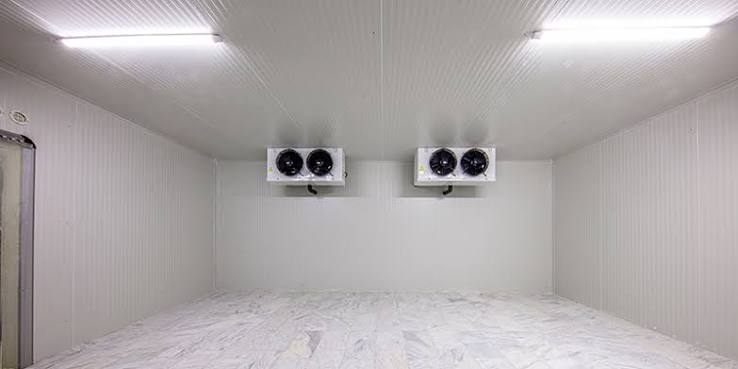

The cold chain does not stop at the warehouse door. Getting temperature sensitive products from the distribution center to the store shelf requires insulated transport, and the panel that make up the freezer van body are what keep that chain intact. Choose the wrong panel and you are looking at spoiled loads, wasted fuel, and unhappy customers.
In this guide, we will cover everything you need to know about freezer van panel. From the core materials that provide insulation to the thickness requirements for different temperature ranges, and from facing materials to the locking systems that keep doors sealed tight.
Why Freezer Van Panel Matter
A refrigerated van is only as good as its insulation. The refrigeration unit does the active cooling, but the panel are what maintain temperature between cooling cycles. Every time the compressor cycles off, the insulation keeps the cold air inside. Without adequate insulation, the unit runs constantly, burns more fuel, and still struggles to maintain temperature.
For cold chain operations, the stakes are high. A temperature excursion of just a few degrees can ruin pharmaceutical products, spoil perishable food, or compromise vaccine efficacy. The panel are not just a construction detail. They are a critical component of the supply chain itself.
Panel Types for Freezer Vans
Two main panel types are used in freezer van construction, and each has its place depending on the application:
EPS Panel for Light Duty Applications
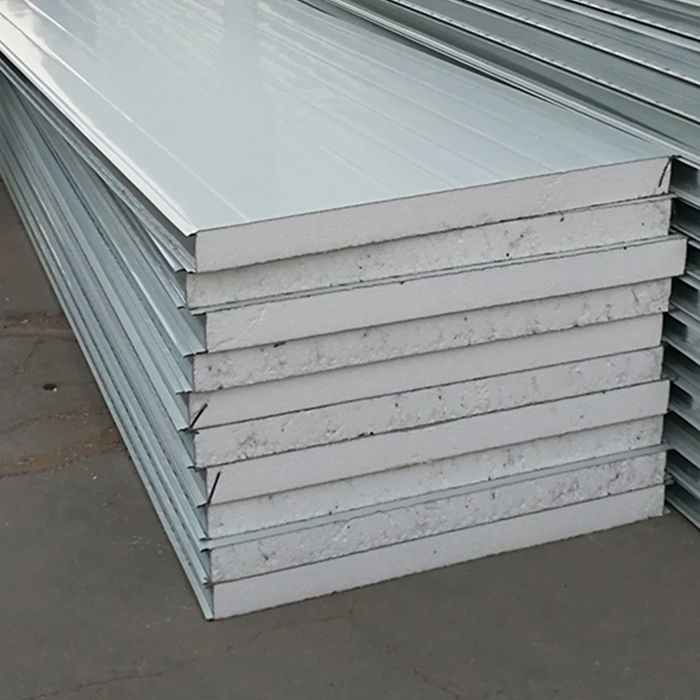
EPS Sandwich Panel are the more affordable option and work well for freezer vans operating in moderate temperature ranges, typically minus 10 to minus 20 degrees Celsius. EPS is lightweight, which helps with payload capacity and fuel efficiency. For urban delivery vans that make frequent stops and spend limited time at deep freeze temperatures, EPS provides adequate insulation at a lower cost.
The limitation of EPS is that it has lower thermal performance per millimeter compared to PU. To achieve the same insulation value, you need a thicker EPS panel. In a van where every centimeter of internal space matters for cargo, this trade-off can be significant.
PU Panel for Heavy Duty Cold Chain
Polyurethane panel are the standard for serious cold chain transport. The closed-cell PU foam provides the best thermal conductivity in the industry, around 0.022 to 0.028 W/mK. That means a thinner PU panel can achieve the same insulation as a thicker EPS panel, giving you more internal cargo space.
PU panel are the preferred choice for vans transporting deep frozen products, pharmaceuticals, and anything that requires strict temperature control at minus 20 to minus 30 degrees Celsius. The higher cost is offset by better energy efficiency and more usable cargo space.
Thickness Requirements by Temperature
Panel thickness is determined by the temperature range you need to maintain. Here is a general guide:
50 to 60 millimeters: Suitable for chilled transport above zero degrees Celsius. Think fresh produce, dairy, and beverages. This thickness provides enough insulation to maintain temperatures between 0 and 5 degrees Celsius without excessive compressor run time.
75 to 80 millimeters: The standard range for frozen food transport at minus 18 to minus 22 degrees Celsius. This is the most common thickness for general cold chain logistics. It balances insulation performance with internal space.
100 to 120 millimeters: Required for deep freeze applications below minus 25 degrees Celsius. Pharmaceutical transport, ice cream distribution, and industrial frozen goods typically need this thickness range.
130 to 150 millimeters: Used for extreme cold chain requirements at minus 30 degrees Celsius and below. Laboratory sample transport and certain chemical products fall into this category.
These are guidelines, not rigid rules. The actual thickness needed depends on ambient temperature in your operating region, the efficiency of the refrigeration unit, how often doors are opened during transit, and the specific temperature tolerance of your cargo.
Facing Materials
The core provides insulation, but the facing material protects the core and determines how the van body holds up to daily use. Here are the main options:
Glass reinforced plastic (GRP): The most common facing for freezer van panel. GRP is tough, does not rust, and handles the daily abuse of loading and unloading. It is also easy to clean and repair if scratched. GRP facings are typically 1.5 to 2.0 millimeters thick.
Stainless steel: The premium option for applications requiring strict hygiene, such as pharmaceutical and food transport. Stainless steel is easier to sanitize than GRP and meets stricter cleanliness standards. The downside is weight and cost. Stainless steel is heavier and more expensive than GRP.
Aluminum: Lightweight and corrosion resistant, aluminum facings work well for vans where weight savings matter. Aluminum is softer than GRP or stainless steel though, so it dents more easily during loading operations.
Pre-painted steel: The most affordable facing option. Painted steel works for budget builds and light duty applications, but it scratches more easily than GRP and can corrode if the paint is damaged.
Locking Systems
The best insulation in the world is useless if the doors do not seal properly. The locking system on a freezer van does two things. It secures the load, and more importantly, it compresses the door seals against the body to create an airtight closure.
Cam-lock systems: These use rotating cam mechanisms that pull the door tight against the body seals. Cam-locks are the standard on most commercial freezer vans. They provide strong compression, are reliable over thousands of open close cycles, and are relatively easy to maintain.
Plug-in systems: Some van bodies use panel that lock together with plug-in connectors rather than traditional cam-locks. These are faster to assemble during manufacturing and provide a very clean exterior surface. The trade-off is that field repairs are more difficult if a connector fails.
Multi-point locks: For larger van bodies and high value cargo, multi-point locking systems engage at the top, middle, and bottom of the door. This distributes compression evenly across the entire door seal rather than concentrating it at the handle points.
How Panel Maintain Cold Chain Integrity
Cold chain integrity is not just about keeping the cold in. It is about preventing warm air and moisture from getting in. Here is how proper freezer van panel contribute to the overall cold chain:
Thermal insulation. The core material resists heat transfer from the warm exterior to the cold interior. The lower the thermal conductivity, the less energy the refrigeration unit needs to maintain temperature. PU panel at 0.022 W/mK are about 40 percent more efficient than EPS at 0.035 W/mK for the same thickness.
Vapor barrier. Moisture from warm ambient air that penetrates the insulation condenses and freezes, gradually destroying the panel from the inside. Properly sealed panel with continuous facings on both sides act as vapor barriers, preventing moisture from reaching the insulation core.
Joint integrity. The joints between panel are the weakest point in any insulated body. If joints are not properly sealed and insulated, they create thermal bridges that leak cold air and allow moisture ingress. Quality freezer van construction uses tongue and groove joints or interlocking profiles with continuous sealant beads.
Getting Started
Building or retrofitting a freezer van body requires panel that match your specific temperature requirements, cargo type, and operating conditions. The wrong thickness, wrong core material, or poor joint detailing can cost more in wasted energy and spoiled cargo than the panel savings ever justify.
At RPS Construction, we manufacture EPS and PU freezer van panel in Bangladesh. Our panel are designed for the demands of cold chain logistics, with proper facing materials and joint systems that maintain insulation performance over years of daily use.
Contact us to discuss your freezer van panel requirements and get a recommendation based on your specific temperature and cargo needs.