Generators are essential for buildings that cannot afford power interruptions. Hospitals, data centers, factories, hotels, and commercial complexes all rely on backup generators to keep operations running during grid outages. But generators come with two serious challenges that the building around them must address: fire risk and noise.
A diesel generator produces temperatures above 600 degrees Celsius in its exhaust system. Fuel lines carry flammable liquid under pressure. Electrical connections can arc or overheat. And the generator itself generates noise levels between 85 and 110 decibels, which is loud enough to cause hearing damage with prolonged exposure.
The room that houses the generator must contain these risks. It needs fire resistant walls that prevent flames from spreading to the rest of the building. It needs acoustic insulation that reduces noise transmission to occupied spaces. And it needs to handle the ventilation requirements that generators demand without compromising the fire and acoustic envelope.
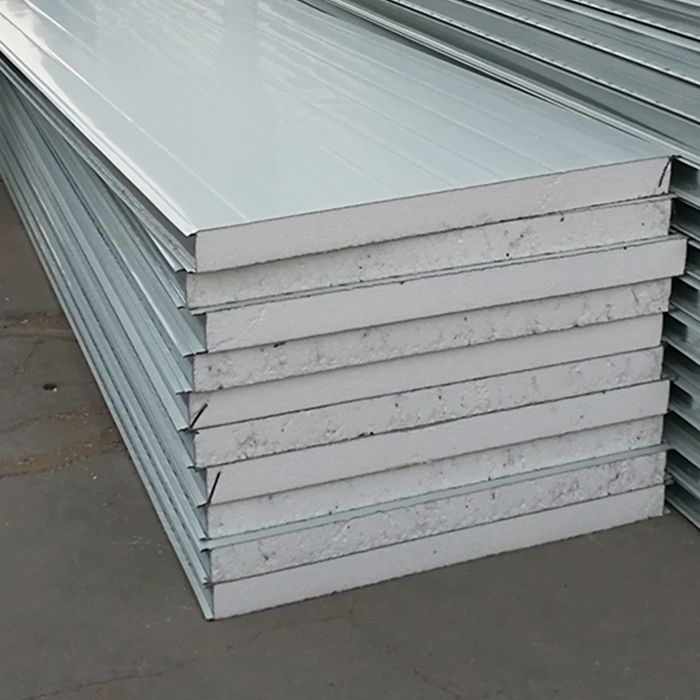
Rockwool Sandwich Panel are the standard material for generator room construction in Bangladesh and worldwide. Here is why they are the right choice and how to spec them correctly for your project.
Understanding the Fire Risk in Generator Rooms
Generator rooms present one of the highest fire risks in any building. The fuel supply, exhaust system, and electrical connections all represent potential ignition sources. A fuel line leak that contacts a hot exhaust component can start a fire in seconds. An electrical fault in the generator control panel can produce an arc flash that ignites surrounding materials.
Building codes in Bangladesh and internationally require fire rated construction for generator rooms. The specific requirements vary by building type and generator capacity, but the general principle is clear: the walls, floor, and ceiling of a generator room must be able to contain a fire for a specified period, typically one to two hours, to allow safe evacuation and fire suppression response.
Rockwool Sandwich Panel meet these requirements because Rockwool itself is non combustible. Unlike EPS and PU cores, which will ignite and contribute to fire spread, Rockwool is classified as Class A1 under the European reaction to fire classification system. This is the highest possible rating, meaning the material does not ignite, does not produce flaming droplets, and does not contribute to fire growth.
A 75mm Rockwool Sandwich Panel provides a fire resistance rating of approximately 60 minutes. A 100mm panel extends this to 90 minutes or more, depending on the steel facing gauge and connection details. For most generator room applications, 100mm panel provide the fire rating that building codes and insurance requirements demand.
Acoustic Insulation for Generator Noise Control
Noise from a diesel generator is not just an annoyance. At levels above 85 decibels, it causes gradual hearing loss with prolonged exposure. At levels above 100 decibels, it can cause immediate discomfort and disorientation. For buildings where people work, sleep, or receive medical care adjacent to the generator room, reducing noise transmission is a safety requirement, not a luxury.
Rockwool panel excel at acoustic insulation because of the material's physical structure. Rockwool is made from basalt rock that has been melted and spun into thin fibers. These fibers trap air in small pockets, which absorbs sound energy as it passes through the material. The denser and thicker the Rockwool, the more sound energy it absorbs.
For generator rooms, acoustic performance is measured in two ways. The noise reduction coefficient indicates how much sound the panel absorbs. The sound transmission class indicates how much sound the panel blocks from passing through. Both numbers matter for generator room applications.
A 75mm Rockwool Sandwich Panel achieves an NRC of 0.85 to 0.95, meaning it absorbs 85 to 95 percent of the sound energy that hits its surface. The STC rating for the same panel is approximately 35 to 40, meaning it reduces sound transmission by 35 to 40 decibels. For a generator producing 100 decibels, this brings the noise level on the other side of the wall down to 60 to 65 decibels, which is comparable to normal conversation.
A 100mm Rockwool panel pushes these numbers higher. NRC values reach 0.90 to 0.98, and STC ratings can exceed 45. This level of acoustic performance is suitable for generator rooms adjacent to hospitals, hotels, offices, and residential buildings where strict noise limits apply.
Panel Specifications for Generator Rooms
Choosing the right Rockwool panel specification for a generator room involves four key parameters: thickness, density, facing, and joint type.
Thickness
Generator rooms almost always require 75mm or 100mm thick panel. The choice depends on the fire rating and acoustic performance required. For standalone generator rooms in industrial settings where noise limits are less strict, 75mm panel provide adequate fire resistance and decent noise reduction. For generator rooms in commercial or residential buildings where both fire and noise are concerns, 100mm panel are the standard specification.
Rockwool Density
The density of the Rockwool core affects both acoustic and fire performance. Higher density Rockwool absorbs more sound energy and provides better fire resistance. For generator room applications, a core density of 80 to 120 kilograms per cubic meter is typical. Lower densities around 60 to 80 kg/m3 work for general wall applications but may not provide sufficient acoustic performance for generator rooms.
Steel Facing
Generator room panel typically use 0.5mm or thicker pre-painted galvanized steel on both faces. The steel provides structural strength, fire resistance, and a clean finished surface. Some specifications call for a thicker steel facing on the generator side, where the panel is exposed to higher temperatures and potential impacts from maintenance activities.
The paint coating on the steel facing should be rated for the temperature range expected in the generator room. Standard polyester coatings work for most applications, but areas near exhaust systems may require higher temperature rated coatings.
Joint Type
Generator room panel use tongue and groove or secret fix joint systems that create a tight connection between adjacent panel. These joints prevent sound leakage through gaps and maintain the fire resistance of the wall assembly. The joint design also affects installation speed, with secret fix systems providing a cleaner appearance but requiring more careful alignment during installation.
Ventilation Requirements and Panel Integration
Generators need air for combustion and cooling. A typical diesel generator consumes approximately 3.5 liters of air per second per 100 kilowatts of rated output. This air must come from outside the generator room, and the combustion exhaust must be ducted outside as well. The generator also produces waste heat that must be removed to prevent overheating.
The ventilation openings in generator room walls create potential weak points in both the fire and acoustic envelope. How these openings are detailed determines whether the generator room performs as designed.
For acoustic performance, ventilation openings should be fitted with acoustic louvers that reduce noise transmission while allowing airflow. These louvers use sound absorptive materials in their blades to attenuate noise as air passes through. The louver size and number depend on the airflow requirements of the generator.
For fire resistance, ventilation openings should be fitted with fire dampers that close automatically when the temperature rises above a set threshold, typically 72 degrees Celsius. Fire dampers prevent flames and hot gases from passing through the ventilation openings into adjacent spaces.
The Sandwich Panel walls are cut to accommodate these louvers and dampers, with the openings sealed with fire rated sealant to maintain the integrity of the wall assembly. A properly detailed generator room wall maintains both its acoustic and fire performance even with multiple ventilation penetrations.
Compliance with Bangladesh Building Codes
The Bangladesh National Building Code sets specific requirements for generator room construction that affect the choice of wall materials and specifications.
Fire resistance requirements depend on the building type and the generator capacity. Hospitals, high rise buildings, and industrial facilities typically require generator rooms with one to two hour fire resistance ratings. Commercial buildings and hotels have similar requirements, particularly when the generator room is located within or adjacent to occupied spaces.
Noise limits for generator rooms are specified in terms of maximum permissible sound levels at the property boundary and at the nearest occupied space. These limits vary by zone and building type, but the general requirement is to reduce generator noise to below 55 decibels at residential property boundaries during daytime and below 45 decibels at night.
Rockwool Sandwich Panel at 75mm to 100mm thickness with proper joint sealing can meet both the fire resistance and noise reduction requirements specified in Bangladesh building codes. Using panel with documented fire test certifications ensures that your generator room construction will pass inspection and satisfy insurance requirements.
Installation Details for Generator Rooms
Installing Rockwool panel for a generator room follows the same basic process as other Sandwich Panel applications, but with additional attention to sealing and penetration details.
The panel framing is installed to the floor, ceiling, and structural supports using steel channels or tracks. Panel are cut to size using a circular saw with a metal cutting blade, then lifted into position and secured to the framing with self drilling screws at the specified spacing.
All panel joints are sealed with fire rated sealant. This is not optional for generator rooms. Standard sealant may provide weather sealing but will not maintain the fire resistance of the wall assembly. Fire rated sealant is tested and certified to maintain its integrity under fire conditions, preventing flames and hot gases from passing through the joints.
Where panel meet the floor, a fire rated base seal is installed to prevent fire from spreading through the junction between the wall and the floor slab. This detail is often overlooked but is critical for maintaining the fire compartmentation of the generator room.
Penetrations for electrical conduits, fuel lines, and ventilation ducts are sealed with fire rated collars or wrap systems. These systems expand when exposed to heat, sealing the opening around the penetrating item and maintaining the fire resistance of the wall.
Common Mistakes to Avoid
Generator room construction with Sandwich Panel is straightforward when done correctly, but several common mistakes can compromise the performance of the finished room.
Using the wrong core material. EPS and PU panel are not suitable for generator rooms. They are combustible materials that will ignite in a fire and contribute to fire spread. Only Rockwool panel carry the fire rating that generator rooms require.
Insufficient panel thickness. Using 50mm panel where 100mm is required reduces both the fire resistance and acoustic performance below acceptable levels. Always verify the required fire rating and acoustic performance before selecting panel thickness.
Inadequate sealing. Gaps between panel, unsealed penetrations, and missing fire dampers all compromise the fire and acoustic performance of the generator room. Every joint and every penetration must be properly sealed with fire rated materials.
Ignoring ventilation details. Generator rooms need proper airflow, and the ventilation openings must be detailed to maintain both fire and acoustic performance. Simply cutting holes in the panel wall without installing louvers or dampers defeats the purpose of the fire rated construction.
Getting Started with Your Generator Room Project
Building a generator room with Rockwool Sandwich Panel is a proven approach that meets fire safety requirements, controls noise transmission, and provides long term durability. The key is specifying the right panel thickness, density, and joint system for your specific application, and paying attention to the sealing and penetration details that make the difference between a code compliant room and one that fails inspection.
At RPS Construction, we manufacture Rockwool Sandwich Panel in Bangladesh for generator room applications and other fire rated construction. Our team can help you select the right panel specification, advise on ventilation and sealing details, and provide professional installation that meets building code requirements.
If you are planning a generator room project or need to upgrade an existing generator room to meet current fire and noise standards, contact us for a free consultation and project quote.