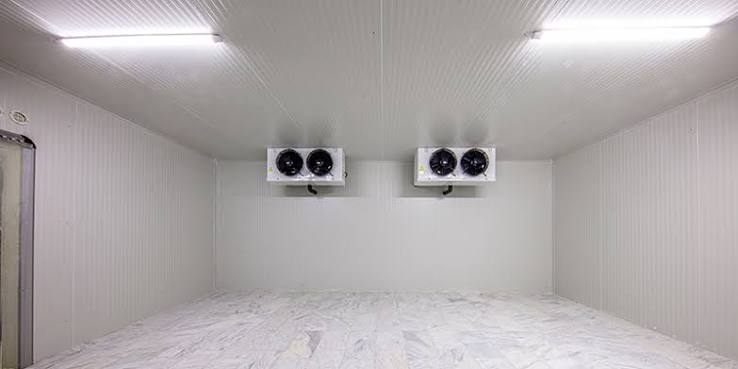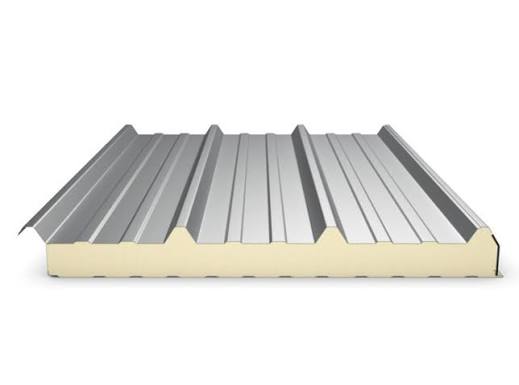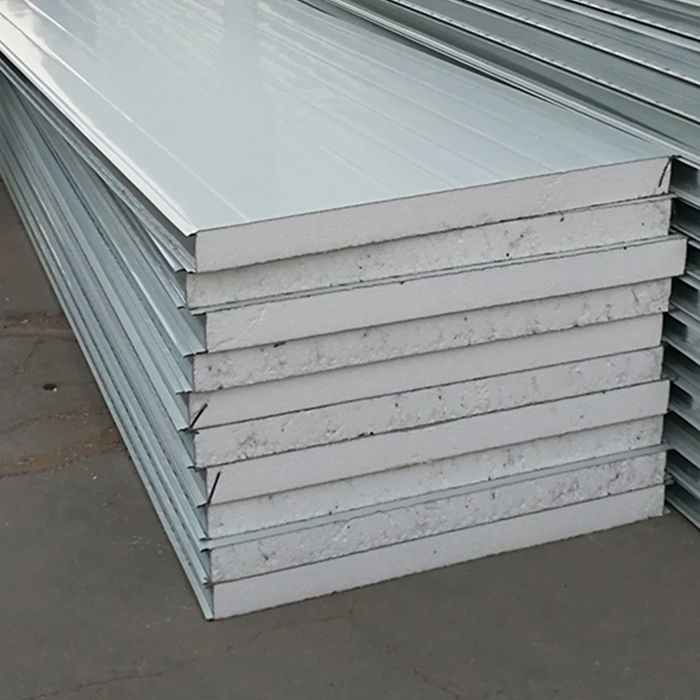
Building a manufacturing plant is one of the biggest investments a company can make. The walls, roof, and ceiling you choose affect everything from energy bills to product quality. Sandwich Panel have become the go to material for factory construction because they handle the tough demands of industrial environments without the long build times of traditional methods.
In this guide, we will walk through why Sandwich Panel work so well for manufacturing plants. We will cover the specific needs of different industries like food processing, pharmaceuticals, and electronics, and explain how these panel help meet strict hygiene and safety standards.
Why Manufacturing Plants Need Specialized Construction
Manufacturing facilities are not like warehouses or office buildings. They have specific requirements that directly affect product quality and worker safety. Temperature must stay within narrow ranges. Air quality needs to meet regulatory standards. Surfaces must be easy to clean and resistant to chemicals. And the building itself needs to withstand heavy use day after day.
Traditional construction methods using brick, concrete blocks, and separate insulation layers can meet these needs, but they take much longer to build and cost significantly more. Sandwich Panel address all of these requirements in a single prefabricated component that goes up quickly and performs consistently.
Temperature Control and Hygiene Requirements
Different manufacturing sectors have different temperature and hygiene needs. Here is how Sandwich Panel address each one.
Food Processing Facilities
Food processing plants must maintain specific temperature zones depending on the product. Meat processing often requires ambient temperatures between 10 and 15 degrees Celsius in production areas. Dairy products need even tighter control. The walls and ceiling must be smooth, non porous, and resistant to frequent washdowns with harsh cleaning chemicals.
PU Sandwich Panel with food grade steel facings are the standard choice here. The closed cell foam core does not absorb moisture, which prevents mold and bacterial growth. The steel facing can be coated with antimicrobial paint for additional protection. Panel joints are sealed with food safe sealants to create a continuous, easy to clean surface.
Pharmaceutical Manufacturing
Pharmaceutical facilities operate under strict Good Manufacturing Practice guidelines. Clean rooms in these facilities must meet ISO 14644 standards for air cleanliness. Temperature and humidity must stay within very tight tolerances. Walls, floors, and ceilings must be smooth, dust free, and capable of withstanding sterilization procedures.
PU panel with galvanized or stainless steel facings are commonly used for pharmaceutical clean rooms. The panel provide excellent thermal insulation while creating smooth, seamless interior surfaces. Gap free installation is critical because even small crevices can harbor contaminants that compromise product sterility.
Electronics Manufacturing
Electronics production requires controlled humidity to prevent static discharge and protect sensitive components. Semiconductor fabs, for example, maintain humidity levels between 40 and 50 percent with temperature controlled within plus or minus 1 degree Celsius. The panel must also provide electromagnetic shielding in some cases.
Clean Room Integration
Sandwich Panel are the foundation of modern clean room construction. A clean room is an enclosed space where the air is filtered to remove dust, bacteria, and other particles. The level of cleanliness is measured by ISO classification, from ISO 1 (the cleanest) to ISO 9 (the least clean).
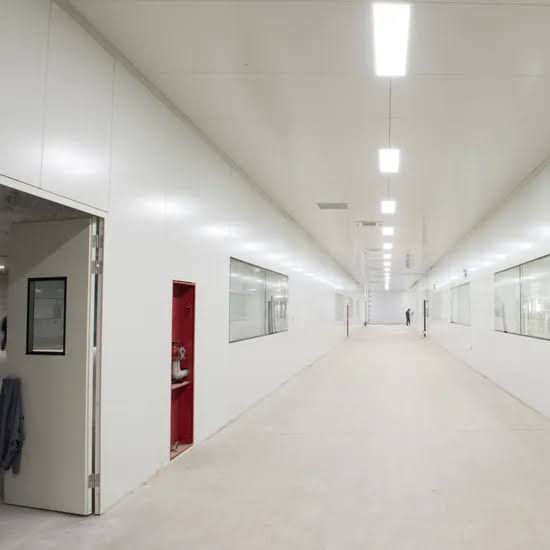
For a clean room to work, every surface must be smooth and easy to sanitize. Sandwich Panel with PU or PIR cores and coated steel facings create the ideal interior environment. The panel can be flush mounted to eliminate ledges and joints where particles accumulate. Ceilings made from Sandwich Panel can support HEPA filter units and other air handling equipment without additional framing.
According to clean room design standards, the panel system must also provide a vapor barrier to prevent moisture migration. PU Sandwich Panel naturally offer this capability because of their closed cell structure, which has a water absorption rate of less than 2 percent by volume.
Ventilation and Air Handling Systems
Manufacturing plants need robust ventilation systems. The building envelope plays a direct role in how well these systems perform. A poorly insulated wall or roof forces the HVAC system to work harder, increasing energy costs and reducing equipment life.
Sandwich Panel help in several ways. First, their continuous insulation core minimizes thermal bridging, which means the HVAC system does not have to compensate for hot or cold spots in the building envelope. Second, the smooth interior surface of the panel allows air to flow evenly across walls and ceilings without turbulence caused by rough surfaces or protrusions.
For facilities that require high air exchange rates, such as pharmaceutical clean rooms, the building envelope must be as airtight as possible. Sandwich Panel systems with sealed joints and proper flashing achieve air leakage rates that meet or exceed the requirements of ASHRAE standards for commercial buildings.
Compliance and Certifications
Manufacturing plants must comply with various local and international standards. The building materials you choose affect your ability to meet these requirements.
For food processing facilities, the panel must meet food safety standards. In Bangladesh, the Bangladesh Standards and Testing Institution sets requirements for food contact materials. Internationally, panel used in food facilities should meet FDA and EU food contact regulations.
Pharmaceutical facilities need to comply with GMP guidelines, which cover everything from room design to surface materials. The panel manufacturer should provide documentation showing that their products meet the relevant GMP requirements for clean room construction.
Fire safety is another critical compliance area. Depending on the building size and use, local fire codes may require specific fire ratings for walls and ceilings. Rockwool Sandwich Panel provide the highest fire resistance, with non combustible cores that can withstand temperatures above 1000 degrees Celsius. PU and PIR panel offer fire resistance ratings that meet most commercial building requirements.
Durability and Maintenance
Manufacturing plants run for decades. The building envelope needs to hold up under constant use, frequent cleaning, and exposure to industrial chemicals. Sandwich Panel with properly coated steel facings resist corrosion, scratching, and chemical damage.
Maintenance is straightforward. The smooth surfaces can be cleaned with standard industrial cleaning agents. Unlike painted drywall or plaster, Sandwich Panel do not need repainting. The steel facing maintains its appearance and protective qualities for 25 to 30 years with basic care.
When damage does occur, individual panel can be replaced without affecting the surrounding structure. This is a significant advantage over traditional wall systems where repairing one section often means rebuilding adjacent areas.
Cost Benefits for Industrial Buildings
The upfront cost of Sandwich Panel is higher than some traditional materials, but the total cost of ownership tells a different story. Here is how the numbers work out over a typical 25 year building life.
Construction speed. Sandwich Panel buildings go up 40 to 60 percent faster than traditional construction. For a manufacturing plant, this means earlier production start dates. If a factory generates even one month of additional revenue by opening sooner, that alone can offset the panel investment.
Energy savings. The continuous insulation in Sandwich Panel reduces heating and cooling costs by 20 to 30 percent compared to conventional insulated walls. For a large manufacturing facility, this translates to significant annual savings on utility bills.
Lower maintenance costs. The durable, easy to clean surfaces reduce maintenance labor and material costs. Plants that use Sandwich Panel typically spend 30 to 40 percent less on wall and ceiling maintenance compared to those with traditional finishes.
Longer building life. A well constructed Sandwich Panel building can last 30 years or more with minimal deterioration. This reduces the lifecycle cost compared to buildings that require major envelope renovations every 15 to 20 years.
Getting Started with Your Plant
Planning a manufacturing facility starts with understanding your specific requirements. What products will you manufacture? What temperature and humidity levels do you need? What regulatory standards apply? Answering these questions determines the panel type, thickness, and facing material that will work best.
At RPS Construction, we manufacture EPS, PU, and Rockwool Sandwich Panel suitable for a wide range of industrial applications. Our team works with factory owners and contractors across Bangladesh to deliver buildings that meet their exact specifications. From initial design consultation through manufacturing and professional installation, we handle the complete process.
Contact us today to discuss your manufacturing plant project and get a detailed quote.