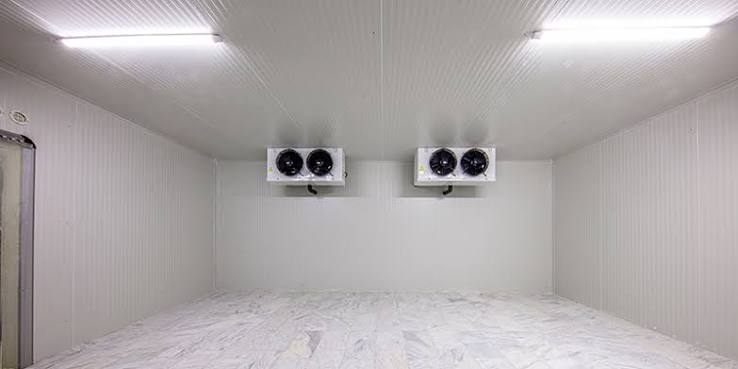
Mushroom cultivation is one of the fastest growing agricultural sectors in Bangladesh. The demand for fresh mushrooms, particularly oyster and shiitake varieties, has been increasing steadily as urban consumers become more health conscious and restaurants expand their menus. But growing mushrooms successfully requires precise environmental control, and the room you grow them in determines whether your crop thrives or fails.
Mushrooms need specific temperature ranges, high humidity levels, controlled fresh air exchange, and protection from contamination. Traditional construction methods like brick walls with plaster finishes struggle to meet all of these requirements simultaneously. PU Sandwich Panel, on the other hand, were practically designed for mushroom cultivation rooms.
In this article, we will explain why PU panel are the ideal material for mushroom growing rooms, cover the design considerations that matter, and help you understand the specifications you need for a successful cultivation facility.
Understanding Mushroom Environmental Requirements
Before we talk about building materials, it helps to understand what mushrooms actually need from their growing environment. Unlike plants, mushrooms do not photosynthesize. They obtain nutrients from organic matter and require very specific conditions to produce the fruiting bodies that we harvest and eat.
Temperature. Most commercially grown mushrooms need temperatures between 15 and 25 degrees Celsius during the growing phase. Oyster mushrooms prefer 15 to 20 degrees. Shiitake mushrooms prefer 12 to 18 degrees. Temperature fluctuations of more than 3 to 5 degrees in a single day can stress the mycelium and reduce yields significantly.
Humidity. Mushrooms require relative humidity levels between 80 and 95 percent during the fruiting phase. This is much higher than what most buildings maintain. Low humidity causes mushroom caps to crack and dry out. High humidity without proper air movement promotes bacterial and fungal contamination.
Fresh air exchange. Mushrooms consume oxygen and release carbon dioxide. High CO2 levels above 1000 parts per million cause mushrooms to develop long, thin stems with small caps, which reduces both quality and weight. Fresh air must be introduced regularly while maintaining the temperature and humidity setpoints.
Contamination control. Mushroom growing substrates are rich in nutrients that many unwanted fungi and bacteria find equally attractive. The growing room must be cleanable, sealed against pest entry, and resistant to the moisture levels that the growing process requires.
Why PU Panel Are Ideal for Mushroom Growing Rooms
Every requirement we just listed points toward the same set of material properties: thermal insulation, moisture resistance, cleanability, and air tightness. PU Sandwich Panel deliver all four in a single building component.
Thermal Performance
PU foam has the best thermal performance of any Sandwich Panel core material. With a thermal conductivity of 0.022 W/mK, a 50mm PU panel provides the same insulation as a 100mm EPS panel or a 75mm Rockwool panel. For mushroom rooms where maintaining a precise temperature range is critical for yield and quality, this superior insulation translates directly into lower heating and cooling costs and more stable growing conditions.
The closed cell structure of PU foam also provides excellent thermal consistency. There are no air gaps or density variations that create cold spots on the wall surface. Cold spots cause condensation, and condensation in a mushroom growing room leads to contamination problems. PU panel eliminate this risk through their uniform insulation performance.
Moisture Resistance
Mushroom growing rooms operate at 80 to 95 percent relative humidity for weeks at a time. Most building materials absorb moisture under these conditions. Drywall softens and degrades. Wood swells and warps. Uncoated concrete absorbs water and develops mold.
PU foam is closed cell, meaning the individual foam cells are sealed and do not absorb water. This property is critical for mushroom rooms. The panel maintain their thermal performance even in constantly humid environments, and they do not provide a food source for mold or bacteria that could contaminate the mushroom crop.
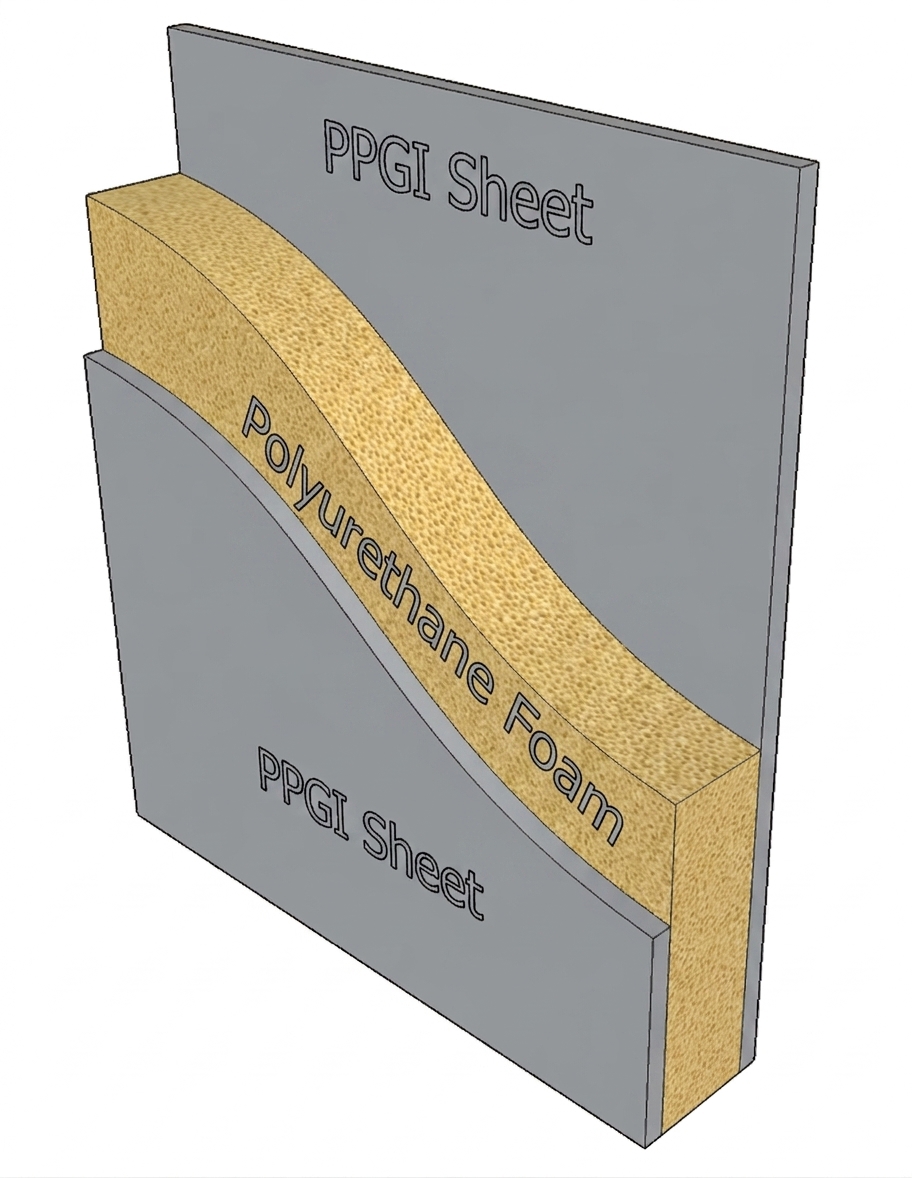
The steel facings on PU panel add another layer of moisture protection. The pre-painted galvanized steel surface does not absorb water, can be wiped down with disinfectants, and maintains its integrity indefinitely in high humidity conditions.
Cleanability and Hygiene
Contamination is the biggest threat to mushroom crop success. Unwanted mold, bacteria, and insects can destroy an entire growing cycle if they establish themselves in the growing room. The room surfaces must be cleanable between growing cycles to break contamination cycles.
PU Sandwich Panel surfaces are smooth, non porous, and can be cleaned with standard agricultural disinfectants including hydrogen peroxide, quaternary ammonium compounds, and bleach solutions. The steel facing does not absorb these chemicals, so the disinfectant works on the surface rather than being absorbed into the material.
This cleanability is a significant advantage over concrete block walls, which have porous surfaces that trap spores and bacteria, or wood surfaces that absorb moisture and harbor contamination between cleaning cycles.
Room Design and Layout Considerations
A well designed mushroom cultivation facility balances several competing requirements. The room must maintain precise environmental conditions while allowing efficient workflow for substrate preparation, inoculation, growing, and harvesting.
Room Size and Dimensions
Small scale growers often start with rooms of 15 to 30 square meters. Commercial operations may use rooms of 50 to 200 square meters or more. The room size affects the HVAC requirements, the airflow patterns, and the ease of environmental control.
Square or rectangular rooms are easier to climate control than irregular shapes. Uniform dimensions allow even airflow distribution and prevent dead zones where air stagnates. For larger operations, multiple smaller rooms are preferable to one large room because they allow different growing stages to be managed independently.
Wall and Ceiling Specifications
Mushroom growing rooms typically use 50mm to 75mm PU Sandwich Panel for walls and ceiling. The 50mm thickness provides adequate thermal performance for most applications in Bangladesh, where the temperature differential between inside and outside does not require the extreme insulation levels that cold storage facilities demand.
For facilities that also include a cold storage room for harvested mushrooms, stepping up to 75mm panel provides the additional insulation needed for the lower temperatures in the storage area. This allows the same panel type to be used throughout the facility while meeting the different thermal requirements of each zone.
The ceiling height should allow for growing racks or hanging cultivation bags with adequate space above for airflow. A ceiling height of 2.5 to 3 meters works for most mushroom growing setups.
Floor Considerations
The floor of a mushroom growing room faces the same high humidity conditions as the walls, plus the additional challenge of water from misting systems and substrate preparation. A sealed concrete floor with a sloped drainage system is the standard approach. The floor should slope toward a drain that can handle the water volume from cleaning and misting operations.
Ventilation System Design
Ventilation is the most technically challenging aspect of mushroom room design. The system must introduce fresh air to control CO2 levels while maintaining the temperature and humidity setpoints that the mushrooms require.
A basic ventilation system for a mushroom room includes an intake fan, an exhaust fan, and a fresh air inlet. The intake fan brings air from outside through a filter that removes dust and competing fungal spores. The exhaust fan removes stale air from inside the room. The fresh air inlet allows natural ventilation when the mechanical system is not running.
For more precise control, the ventilation system can include an evaporative cooling pad on the intake side that pre humidifies and cools the incoming air. A humidifier system inside the room maintains the target humidity level. Temperature sensors connected to a controller automate the heating or cooling system to maintain the setpoint.
The ventilation openings in the PU panel walls must be sealed carefully to prevent air leakage around the openings. Air leaks waste energy, create temperature inconsistencies, and can introduce contamination from unfiltered outside air. Proper sealing around all penetrations maintains the environmental integrity of the room.
PU Panel Specifications for Mushroom Rooms
Selecting the right PU panel specification for a mushroom growing room involves choosing the right thickness, facing, and joint system for your specific application.
Core Thickness
50mm panel provide adequate thermal performance for most mushroom room applications in Bangladesh. The PU core delivers a thermal resistance that maintains stable temperatures even when outdoor temperatures fluctuate by 10 to 15 degrees during the day.
75mm panel are a better choice for facilities in areas with extreme temperature swings, for rooms that require lower internal temperatures, or for operations where energy efficiency is a primary concern. The additional insulation reduces the load on the HVAC system, which lowers operating costs.
Steel Facing
Mushroom rooms require steel facings that can withstand constant high humidity and regular cleaning with disinfectants. A 0.4mm to 0.5mm pre-painted galvanized steel facing on both sides is the standard specification. The paint coating should be resistant to the cleaning chemicals used in the facility.
Some operations use a food grade or pharmaceutical grade facing material that meets additional hygiene standards. These facings have smoother surfaces that are even easier to clean and may be required for operations that supply to regulated markets.
Joint System
Tongue and groove joints with sealant provide the air tightness that mushroom rooms need. The joints must prevent air leakage while also resisting the moisture conditions inside the room. A gasketed tongue and groove system provides both air tightness and moisture resistance at the panel connections.
Extending the Growing Season
One of the biggest advantages of a properly built mushroom growing room is the ability to grow mushrooms year round, regardless of outdoor weather conditions. In Bangladesh, the monsoon season brings cooler temperatures and higher humidity that can actually benefit some mushroom species. But the hot pre monsoon period with temperatures above 35 degrees and the cool winter months with temperatures dropping below 15 degrees both fall outside the optimal range for most commercially grown mushrooms.
A PU panel growing room with proper HVAC can maintain the ideal temperature range throughout the year. This means consistent production, consistent income, and the ability to supply customers reliably without seasonal gaps.
For operations that currently grow mushrooms only during the favorable season, moving to a controlled environment facility can double or triple annual production from the same growing area. The investment in PU panel construction pays for itself quickly through increased revenue from year round production.
Common Mistakes in Mushroom Room Construction
Building a mushroom growing room is not complicated, but several mistakes can undermine the performance of the finished facility.
Inadequate insulation. Using thin panel or choosing EPS over PU to save money results in higher HVAC costs and less stable growing conditions. The small price difference between EPS and PU panel is recovered many times over in energy savings and crop quality improvements.
Poor air sealing. Gaps between panel, unsealed penetrations, and poorly detailed door frames allow conditioned air to escape and unconditioned air to enter. This wastes energy and creates temperature inconsistencies that stress the mushroom crop.
Ignoring drainage. Mushroom rooms generate significant water from misting, cleaning, and substrate preparation. Without proper floor drainage, water accumulates and creates contamination risks. The drainage system must be planned before the walls are installed.
Undersized ventilation. Fresh air exchange is not optional. Mushrooms produce CO2 continuously, and inadequate ventilation leads to poor mushroom quality. The ventilation system must be sized for the room volume and the number of growing mushrooms it contains.
Getting Started with Your Mushroom Growing Facility
PU Sandwich Panel provide the thermal performance, moisture resistance, cleanability, and air tightness that mushroom cultivation rooms demand. When combined with proper ventilation, drainage, and HVAC systems, they create an environment where mushrooms can grow consistently and profitably year round.
At RPS Construction, we manufacture PU Sandwich Panel in Bangladesh for agricultural applications including mushroom cultivation rooms, cold storage facilities, and controlled environment growing spaces. Our team can help you design the right room specifications, select the appropriate panel thickness and facing, and provide professional installation that ensures your facility performs as designed.
If you are planning a new mushroom cultivation facility or looking to upgrade an existing growing space, contact us for a free consultation and project quote.