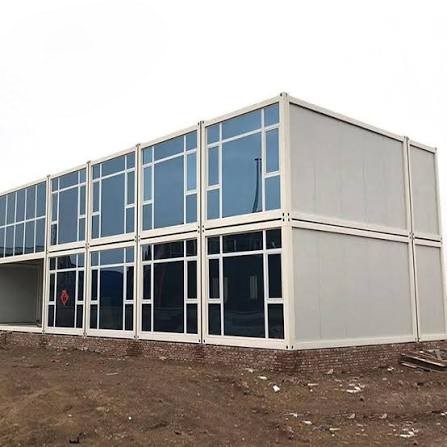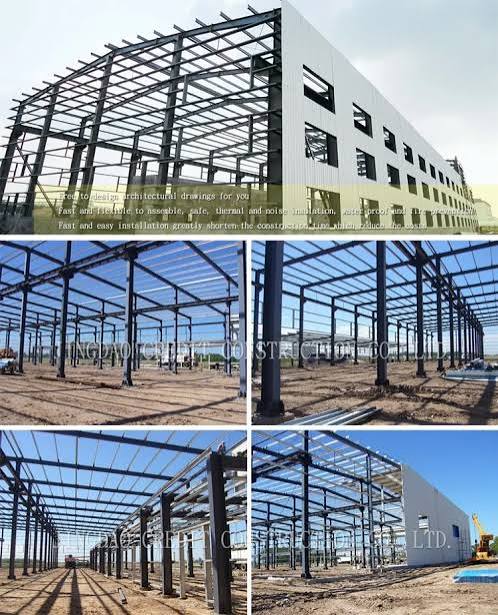
Sandwich Panel construction has grown rapidly in Bangladesh over the past decade. What started as a niche product for cold storage and industrial buildings has expanded into commercial offices, retail shops, warehouses, and even temporary structures. The reasons are straightforward. Bangladesh needs buildings that go up fast, cost less than conventional construction, and perform well in a climate that swings between extreme heat and heavy monsoon rain.
This guide covers everything you need to know about using Sandwich Panel in Bangladesh. We look at the local market, available materials, typical prices, relevant building codes, and practical installation tips that account for the specific challenges of building in this country.
The Bangladesh Sandwich Panel Market
The Sandwich Panel market in Bangladesh has matured significantly. Several local manufacturers now produce EPS, PU, and Rockwool Sandwich Panel domestically, reducing dependence on imports and making panel more accessible to projects across the country.
Most manufacturing capacity is concentrated around Dhaka and Chittagong, which are also the largest construction markets. However, panel can be transported to projects anywhere in the country, and the lightweight nature of Sandwich Panel makes long distance transport relatively affordable compared to heavy building materials like concrete blocks or steel sections.
The demand for Sandwich Panel in Bangladesh is driven by several factors. The garment industry needs factory buildings and warehouses. The pharmaceutical sector requires clean rooms and temperature controlled facilities. The food and beverage industry needs cold storage and processing plants. And the commercial sector is increasingly adopting panel for offices, shops, and showrooms because of the speed advantage.
Local Manufacturers and Suppliers
Bangladesh has several established Sandwich Panel manufacturers, each offering different core materials, facing options, and panel configurations. Here is what to look for when choosing a local supplier.
Manufacturing equipment. Panel produced on continuous lamination lines have more consistent quality than batch produced panel. Ask about the manufacturer's production equipment and quality control processes. Continuous line production ensures uniform core density, consistent panel thickness, and reliable bonding between the facings and the core.
Core material sourcing. The quality of EPS beads, PU chemicals, and Rockwool fibers varies between suppliers. Reputable manufacturers source their raw materials from established producers and can provide material certifications and test reports.
Steel facing quality. The pre painted steel used for panel facings comes in different grades and coating thicknesses. Better quality facings use thicker galvanizing and higher grade paint systems that last longer in Bangladesh's harsh climate. Ask about the steel grade, zinc coating weight, and paint system specification.
Customization capability. Different projects have different requirements for panel thickness, length, facing color, and edge profiles. Choose a manufacturer who can produce panel to your specific requirements rather than forcing you to work with only standard sizes.
Technical support. A good manufacturer provides technical support including load tables, installation guidance, and design assistance. This is particularly important if you are using Sandwich Panel for the first time or working on a complex project.
Available Materials in Bangladesh
Here is a detailed look at the three main core materials available in the Bangladeshi market and their typical specifications.
EPS (Expanded Polystyrene) Panel
EPS is the most widely available and affordable Sandwich Panel core material in Bangladesh. Local EPS bead production is well established, which keeps material costs low and supply reliable.
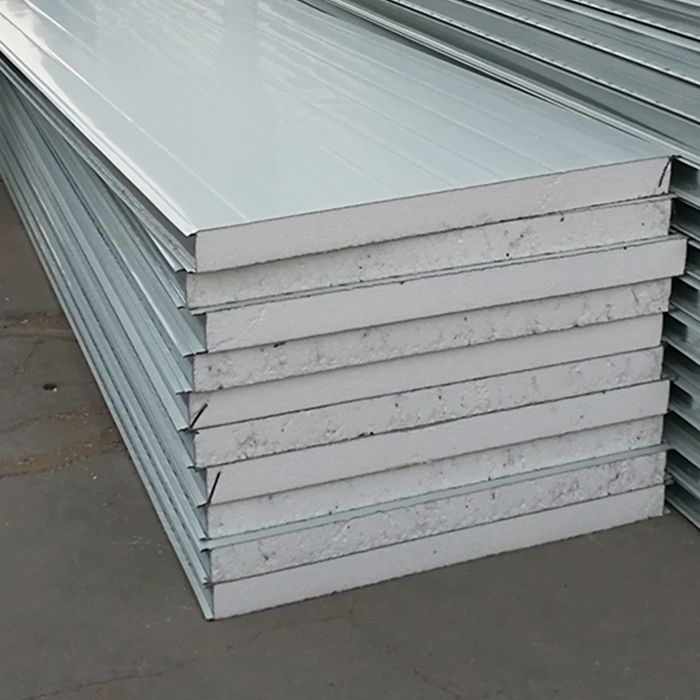
Typical specifications for Bangladeshi EPS panel include core densities of 12 to 20 kg per cubic meter, panel thicknesses from 30mm to 150mm, and standard lengths up to 6 meters. The steel facings are usually 0.4mm to 0.5mm thick pre painted galvanized steel with polyester coating.
EPS panel work well for warehouses, temporary buildings, site offices, and commercial structures where fire separation is not the primary concern. They are the most cost effective option for most general purpose applications.
PU / PUF (Polyurethane Foam) Panel
PU panel are available from several manufacturers in Bangladesh, though the raw PU chemicals are typically imported. This means PU panel cost more than EPS panel, but the superior thermal performance often justifies the premium.
Typical specifications include core densities of 30 to 45 kg per cubic meter, panel thicknesses from 30mm to 100mm, and thermal conductivity of 0.022 to 0.028 W/mK. The closed cell structure of PU foam also provides excellent moisture resistance, which is important in Bangladesh's humid climate.
PU panel are the preferred choice for cold storage, food processing facilities, pharmaceutical plants, and any application where thermal performance and moisture resistance are critical.
Rockwool (Mineral Wool) Panel
Rockwool panel are available in Bangladesh through a combination of local assembly and imported panel. The Rockwool insulation material is typically imported and then laminated to steel facings locally.
Typical specifications include densities of 80 to 150 kg per cubic meter, panel thicknesses from 50mm to 200mm, and fire resistance ratings of up to four hours. Rockwool panel are significantly heavier than EPS or PU, which affects handling, transport, and structural requirements.
Rockwool panel are used where fire resistance is required by building codes or insurance requirements. They are also the best choice for acoustic applications where noise reduction is important.
Typical Price Ranges
Sandwich Panel prices in Bangladesh vary based on core material, thickness, facing specification, and order quantity. Here are approximate ranges to help with budget planning. Note that these are indicative and actual prices should be confirmed with suppliers based on current market conditions.
EPS panel. The most affordable option. Prices vary by thickness and facing specification but EPS panel consistently offer the lowest cost per square meter. The price advantage becomes more significant for larger orders where manufacturers can optimize production runs.
PU panel. Typically cost more than EPS panel due to the higher raw material cost of polyurethane foam. However, the thermal performance advantage means you can use thinner PU panel to achieve the same insulation value as thicker EPS panel, which partially offsets the price difference.
Rockwool panel. The most expensive option due to the cost of mineral wool fiber and the more complex manufacturing process. However, for buildings where fire resistance is mandatory, Rockwool is the only option that meets non combustibility requirements, so the price premium is a necessary investment.
Steel frame and accessories. In addition to the panel themselves, the steel frame, fasteners, sealants, and flashings add to the total project cost. These components typically account for 20 to 30 percent of the total building envelope cost.
Installation labor. Sandwich Panel installation in Bangladesh is relatively affordable. The lightweight panel and straightforward assembly process mean that a small crew can complete a significant amount of work in a day.
Building Codes and Regulations
Bangladesh has building codes that apply to Sandwich Panel construction, though enforcement varies by location and project type. Here are the key regulatory considerations.
National Building Code. Bangladesh's National Building Code provides general requirements for building construction including structural loads, fire safety, and material specifications. Sandwich Panel buildings must comply with these requirements just like any other construction type.
Fire safety requirements. Building codes specify fire resistance requirements based on occupancy type, building size, and fire separation distances. Buildings that require fire rated walls must use non combustible core materials like Rockwool. Foam core panel like EPS and PU may be restricted in certain occupancy types or may require additional fire protection measures like sprinkler systems.
Export processing zones. Factories and buildings in export processing zones may be subject to additional safety requirements from international buyers or auditing organizations. These requirements sometimes exceed local building code minimums, particularly regarding fire safety and structural integrity.
Insurance requirements. Insurance companies may impose specific requirements on Sandwich Panel buildings, particularly regarding fire resistance, access for firefighting, and structural design standards. Check with your insurance provider early in the design process to understand what they require.
Local authority approvals. Building permits and approvals are issued by local government authorities. Requirements vary between city corporations, union parishads, and other local bodies. Engage with the local authority early to understand the approval process and documentation requirements.
Advantages for Bangladesh Climate
Bangladesh's climate presents specific challenges that Sandwich Panel address effectively.
Heat Management
Summer temperatures regularly exceed 35 degrees Celsius with high humidity. Sandwich Panel with appropriate insulation thickness significantly reduce heat gain through the building envelope compared to single skin metal or masonry walls. This means lower air conditioning costs and more comfortable interior conditions.
The key is selecting the right panel thickness for the application. For general commercial buildings, 50mm to 75mm EPS or 40mm to 50mm PU panel provide meaningful heat resistance. For cold storage and temperature controlled facilities, thicker panel with higher insulation values are required.
Monsoon Resistance
The monsoon season brings heavy rainfall from June through September. Properly detailed Sandwich Panel buildings handle monsoon conditions well. The steel facings are inherently waterproof, and the tongue and groove joint system prevents water penetration between panel.
The critical detail is proper flashing and sealant at all joints, openings, and penetrations. Poorly detailed buildings will leak regardless of the panel quality. Invest in proper weatherproofing details and use quality sealants rated for the expected movement and exposure.
Humidity Control
High humidity year round affects both occupant comfort and building durability. EPS and PU panel have closed cell structures that resist moisture absorption. Rockwool panel are more vulnerable to moisture and should be specified with moisture resistant facings and proper vapor barriers in humid environments.
For buildings where interior humidity control is important, the panel envelope must be properly sealed to prevent humid outside air from entering the building through joints and gaps. This requires attention to sealant continuity, door and window sealing, and penetration details.
Cyclone Resistance
Bangladesh experiences tropical cyclones that bring extremely high winds. Sandwich Panel buildings can be designed to withstand cyclone wind loads, but this requires proper structural design and panel connection details. The building frame must be designed for the calculated wind pressures, and panel fastener spacing must be adequate to resist the expected wind forces.
Coastal areas near Chittagong, Cox's Bazar, and the Sundarbans have higher design wind speeds than inland locations. Buildings in these areas need stronger connections and may require thicker steel facings to resist the higher wind pressures.
Installation Tips for Local Conditions
Here are practical installation tips specifically for Sandwich Panel projects in Bangladesh.
Foundation Preparation
Bangladesh's soil conditions vary significantly across the country. In many areas, the soil is soft and prone to settlement. Ensure the foundation is properly designed for the soil conditions and adequately cured before installing panel. A level, stable base is critical for proper panel alignment and joint sealing.
Handling in Heat
During summer months, steel panel facings can become extremely hot in direct sunlight. Schedule panel installation for early morning or late afternoon to avoid the worst heat. Provide shade for workers and ensure adequate hydration. Hot steel facings can also make sealant application more challenging as the sealant may cure too quickly on hot surfaces.
Working Around Monsoon
If your project falls during the monsoon season, plan the construction sequence carefully. Get the roof on first to provide shelter for interior work. Seal all joints immediately after panel installation to prevent rainwater entry. Keep sealant materials dry and at proper temperature for application.
Sealant Selection
Use sealants rated for the temperature and humidity range expected in Bangladesh. Silicone sealants generally perform well in tropical conditions because they remain flexible across a wide temperature range and resist UV degradation. Polyurethane sealants are also suitable but may be more sensitive to moisture during application.
Corrosion Protection
Bangladesh's humid, coastal-influenced atmosphere accelerates corrosion on unprotected steel. Use panel with adequate galvanizing and paint coating specifications. In coastal areas, consider upgrading to marine grade coatings or aluminum facings for longer service life. Inspect and maintain the panel facings regularly to catch and repair any damage before corrosion sets in.
Common Mistakes to Avoid
Based on our experience with projects across Bangladesh, here are the most common mistakes that lead to problems with Sandwich Panel buildings.
Underestimating wind loads. Some builders use minimum fastener spacing to save on screws and labor. This can lead to panel detachment during high wind events. Always follow the manufacturer's recommendations for screw spacing based on the calculated wind loads for your location.
Skipping the sealant. Leaving joints unsealed or using poor quality sealant is the most common cause of leaks. Water will find its way through any gap, no matter how small. Seal every joint properly and inspect them regularly.
Ignoring thermal bridges. Metal components that bridge through the insulation core create thermal bridges that reduce the effective insulation value of the wall. Minimize thermal bridging by using insulated fasteners and thermally broken connections where possible.
Poor cutting practices. Cutting panel with abrasive disc saws generates heat that can melt the EPS or PU core and damage the paint finish. Use proper cutting tools and techniques recommended by the panel manufacturer.
Inadequate flashing. Flashing at the base of walls, around openings, and at roof edges is critical for weather tightness. Do not skip or undersize flashings to save cost. The cost of proper flashing is minimal compared to the cost of water damage from leaks.
Getting Started with Your Project
Sandwich Panel construction in Bangladesh offers a compelling combination of speed, cost, and performance for a wide range of building types. Whether you are building a warehouse, factory, office, retail shop, or temporary structure, there is a panel solution that fits your requirements and budget.
The key to a successful Sandwich Panel project is choosing the right materials, working with an experienced manufacturer and installer, and paying attention to the details that matter in Bangladesh's climate. Foundation preparation, proper sealing, adequate fastener spacing, and quality flashing details will determine whether your building performs well for decades or develops problems within the first monsoon season.
At RPS Construction, we manufacture and install Sandwich Panel systems across Bangladesh. Our team understands the local climate, building codes, and construction practices. We can help you select the right panel type and specification for your project and ensure it is installed correctly.
Contact us to discuss your project requirements and get a free quote.