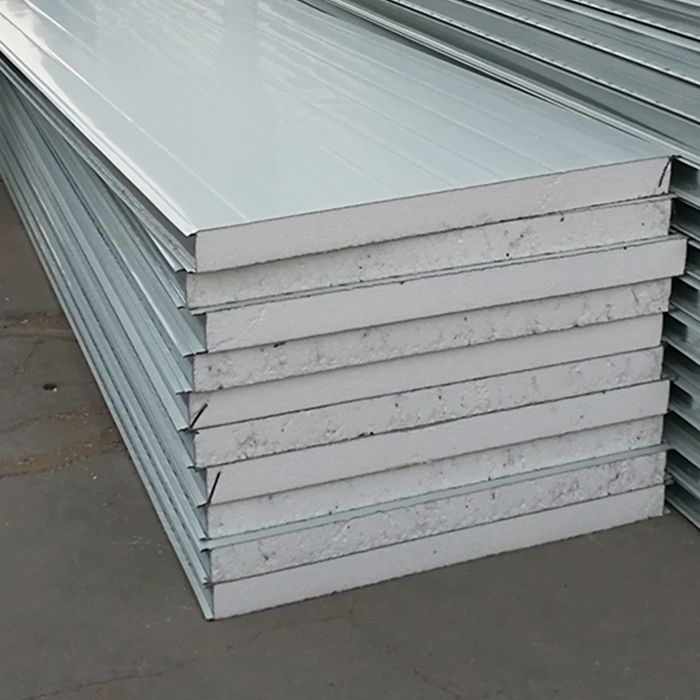
Bangladesh is going through a construction boom. New roads, bridges, factories, and commercial complexes are popping up across Dhaka, Chittagong, and Sylhet. Every one of these projects needs temporary workspace, storage, and staff facilities. Traditional brick-and-mortar temporary buildings take weeks to erect and even longer to tear down. EPS Sandwich Panel solve this problem by giving you a structure you can set up in days, use for months or years, and then move to a completely different site.
In this article we look at why EPS panel have become the go to material for temporary buildings in Bangladesh, how the assembly process works, and what you should plan for before placing an order.
The Growing Demand for Temporary Buildings
Temporary structures serve a surprisingly wide range of needs. Construction companies need site offices and worker accommodation. Event organizers need exhibition halls and food courts. Relief agencies need warehouses and medical camps after floods or cyclones. Government bodies need polling stations and community centers for short term use.
According to industry estimates, the global modular and temporary construction market is expected to grow steadily through 2030. In Bangladesh specifically, the demand is driven by rapid urbanization, infrastructure development projects, and the increasing frequency of climate related emergencies that require quick deployment of shelter and storage.
The problem with conventional temporary buildings is simple. They are either too expensive to build and demolish, or they are too flimsy to last more than a season. EPS Sandwich Panel sit right in the middle. They are structurally sound enough to last for years, yet light enough to disassemble and transport to a new location when the job is done.
Why EPS Panel Work Well for Temporary Structures
EPS expanded polystyrene Sandwich Panel have several properties that make them particularly well suited to temporary construction.
Speed of construction. A typical site office made from EPS panel can be assembled in two to four days. Compare that to two to three weeks for a brick structure of the same size. When your project timeline is tight, this time saving translates directly into cost savings.
Lightweight panel. An EPS Sandwich Panel weighing around 12 to 16 kg per cubic meter is far lighter than a concrete block wall or even a steel frame with masonry infill. This means you do not need heavy cranes or specialized lifting equipment on site. A small crew with basic hand tools can handle most of the installation.
Good insulation. Even though temporary buildings are not always occupied year round, having basic thermal insulation makes a real difference for worker comfort and equipment protection. EPS panel with a thermal conductivity of 0.035 to 0.040 W/mK keep interiors cooler in summer and warmer in winter compared to corrugated metal sheets alone.
Low cost. EPS is the most affordable core material available for Sandwich Panel. For temporary structures where the building will be relocated or demolished after a defined period, spending more on PU or Rockwool cores rarely makes financial sense.
Common Applications in Bangladesh
Here are the most frequent uses we see for EPS temporary buildings in the Bangladeshi market.
Construction Site Offices and Accommodation
This is by far the largest segment. Major infrastructure projects like metro rail construction, highway expansion, and bridge building all require on site offices, meeting rooms, and sleeping quarters for staff. EPS panel give project managers a comfortable, climate controlled workspace without committing to a permanent structure.
Event Spaces and Exhibition Halls
Trade fairs, agricultural shows, and corporate events often need large covered spaces that exist for just a few days or weeks. A temporary hall built from EPS panel can be set up in a parking lot or open field, used for the event duration, and then dismantled and stored for the next occasion.
Emergency and Relief Facilities
After the monsoon floods or cyclone events, government agencies and NGOs need to set up shelters, medical camps, and supply warehouses quickly. EPS panel can be pre fabricated at a factory and delivered to the site in flat pack form for rapid assembly.
Security Posts and Guard Houses
Factory compounds, residential developments, and government installations need security posts at entry points. A small EPS panel cabin can be manufactured and installed in a single day.
Agricultural Storage
Farmers and agribusinesses use temporary EPS structures for grain storage, cold rooms for perishable crops, and equipment shelters. The insulation helps maintain stable temperatures and reduces spoilage.
How EPS Temporary Buildings Are Assembled
The assembly process for an EPS temporary building follows a straightforward sequence. Here is how it typically works.
Step one: Foundation. Temporary buildings do not always need deep foundations. For short term use, a simple concrete pad, leveled gravel base, or even adjustable steel stilts on uneven ground are sufficient. The key requirement is that the base is level and can support the building weight.
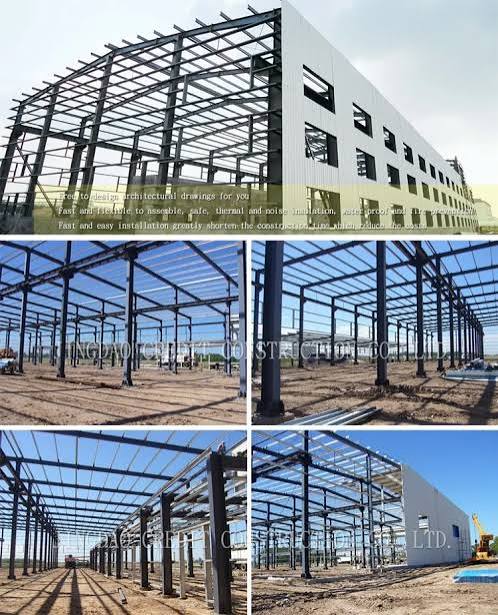
Step two: Steel frame. A lightweight steel frame is erected on the foundation. This frame includes columns, beams, and roof trusses. The steel is usually galvanized to resist rust, especially important in Bangladesh's humid climate. The frame provides the structural skeleton that the panel attach to.
Step three: Wall panel. EPS Sandwich Panel are slotted into the steel frame using a tongue and groove joint system. Each panel locks into the next, creating a continuous wall without gaps. Panel are secured to the frame using self tapping screws or rivets.
Step four: Roof panel. Roof panel are installed in the same way, usually with a slight slope to allow rainwater to drain. Ridge caps and gutters are added to manage water runoff.
Step five: Doors, windows, and finishing. Pre cut openings for doors and windows are filled with matching EPS panel or standard aluminum frames. Interior partition walls, electrical wiring, and basic plumbing are installed as needed.
Step six: Sealing. All joints between panel are sealed with silicone or polyurethane sealant to prevent water ingress. Flashing is installed around windows, doors, and roof edges.
Disassembly and Reuse
One of the biggest advantages of EPS temporary buildings is that they can be taken apart and moved. The process is essentially the reverse of assembly. Remove the screws, separate the panel from the steel frame, stack the panel flat on a truck, and transport them to the new site.
With proper handling, EPS panel can be reused multiple times. The steel facings are durable and resist damage during disassembly. The EPS core maintains its insulation properties over many years. The main factor limiting reuse is the condition of the joints and seals, which may need fresh sealant each time the building is reassembled.
This reuse potential dramatically changes the economics. Instead of viewing a temporary building as a one time expense that goes to waste, you are investing in a system that serves you across multiple projects over its lifetime.
Foundation Requirements
Since temporary buildings are by definition meant to be removed eventually, foundation design is simpler and cheaper than for permanent structures. Here are the most common options.
Concrete slab pad. The most common choice for medium to long term temporary buildings. A 100 to 150 mm thick reinforced concrete slab provides a stable, level base. This option works well on flat ground and can support relatively heavy loads.
Gravel or crushed stone base. Suitable for shorter term use and lighter structures. The gravel is compacted and leveled, and the steel frame sits on adjustable base plates. This option drains well during the monsoon and is easy to remove when the building is relocated.
Steel pile or stilts. On soft or uneven ground, adjustable steel piles can be driven or screwed into the soil to create a level platform. This is useful for hilly terrain or areas prone to seasonal flooding where you need the building floor elevated above ground level.
Existing hard surfaces. For very light structures like guard houses, the building can sometimes sit directly on an existing concrete or asphalt surface using weighted base plates that do not require any ground penetration.
Weather Resistance in Bangladesh
Bangladesh presents specific challenges for temporary buildings. The summer heat regularly exceeds 35 degrees Celsius. The monsoon season brings heavy rainfall from June through September. High humidity year round accelerates corrosion on unprotected steel.
EPS panel handle these conditions well. The steel facings are pre painted with polyester or PVDF coatings that resist UV degradation and moisture. The EPS core does not absorb water, so even if the outer seal is compromised, the insulation performance is not significantly affected. Properly detailed EPS buildings with sealed joints, drip edges, and adequate roof drainage can withstand several monsoon seasons without major maintenance.
For coastal areas near Chittagong or Cox's Bazar where salt spray is a concern, we recommend using galvanized steel with marine grade coatings or aluminum facings for longer service life.
Cost Considerations
The cost of an EPS temporary building depends on several factors including size, configuration, foundation type, and site access. Here are some general guidelines.
Material cost. EPS Sandwich Panel are the most affordable option among the three main core types. Panel prices in Bangladesh vary based on thickness, facing material, and order quantity, but EPS panel consistently offer the lowest cost per square meter of wall or roof area.
Steel frame. The lightweight steel frame adds to the total cost but is significantly cheaper than the structural steel or reinforced concrete required for permanent buildings of similar size.
Installation labor. Because EPS panel are light and the assembly process is straightforward, you need a smaller crew compared to conventional construction. A typical site office of 100 square meters can be assembled by four to six workers in three to four days.
Transportation. Panel are shipped flat, which keeps transport costs manageable. However, site access and distance from the manufacturing facility will affect the delivery cost.
Reuse value. When calculating total cost of ownership, factor in the resale or reuse value of the panel and steel frame. Unlike brick or concrete temporary structures that are demolished and discarded, EPS components retain significant value after their first use.
Planning Tips for Your Temporary Building
Before you order panel, take a few minutes to think through these practical considerations.
Measure carefully. Temporary buildings still need to meet the functional requirements of the people using them. Office space, storage capacity, and movement paths all need adequate dimensions. Plan the layout before ordering panel to avoid waste.
Think about ventilation. In Bangladesh's hot and humid climate, good ventilation is essential. Include enough windows and ventilation openings to allow airflow. Consider adding ceiling fans or exhaust fans for occupied spaces.
Plan for water drainage. Monsoon rain can be intense. Make sure the roof slope is adequate, gutters are properly sized, and downspouts direct water away from the building foundation. Poor drainage is the most common cause of problems with temporary buildings in Bangladesh.
Consider future relocation. If you think you might move the building to another site, avoid using adhesives or permanent fasteners that could damage panel during disassembly. Use screws and mechanical fasteners that can be easily removed.
Check local regulations. Even temporary buildings may require permits depending on the location and intended use. Check with your local authority before starting construction.
Getting Started
EPS temporary buildings offer a practical, affordable solution for anyone who needs covered space without the commitment of permanent construction. Whether you are running a large infrastructure project, organizing an event, or responding to an emergency, these buildings give you the flexibility to set up fast and move when you need to.
At RPS Construction, we manufacture EPS Sandwich Panel specifically designed for the Bangladeshi market. Our panel are made to withstand local climate conditions and are available in a range of thicknesses and sizes. We also offer complete temporary building solutions including steel frames, foundations, and professional installation.
Contact us to discuss your temporary building requirements and get a free quote.