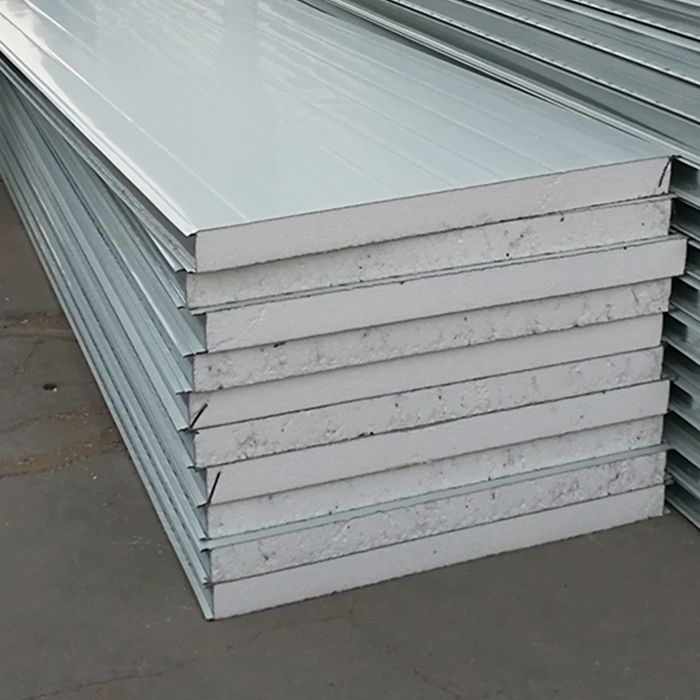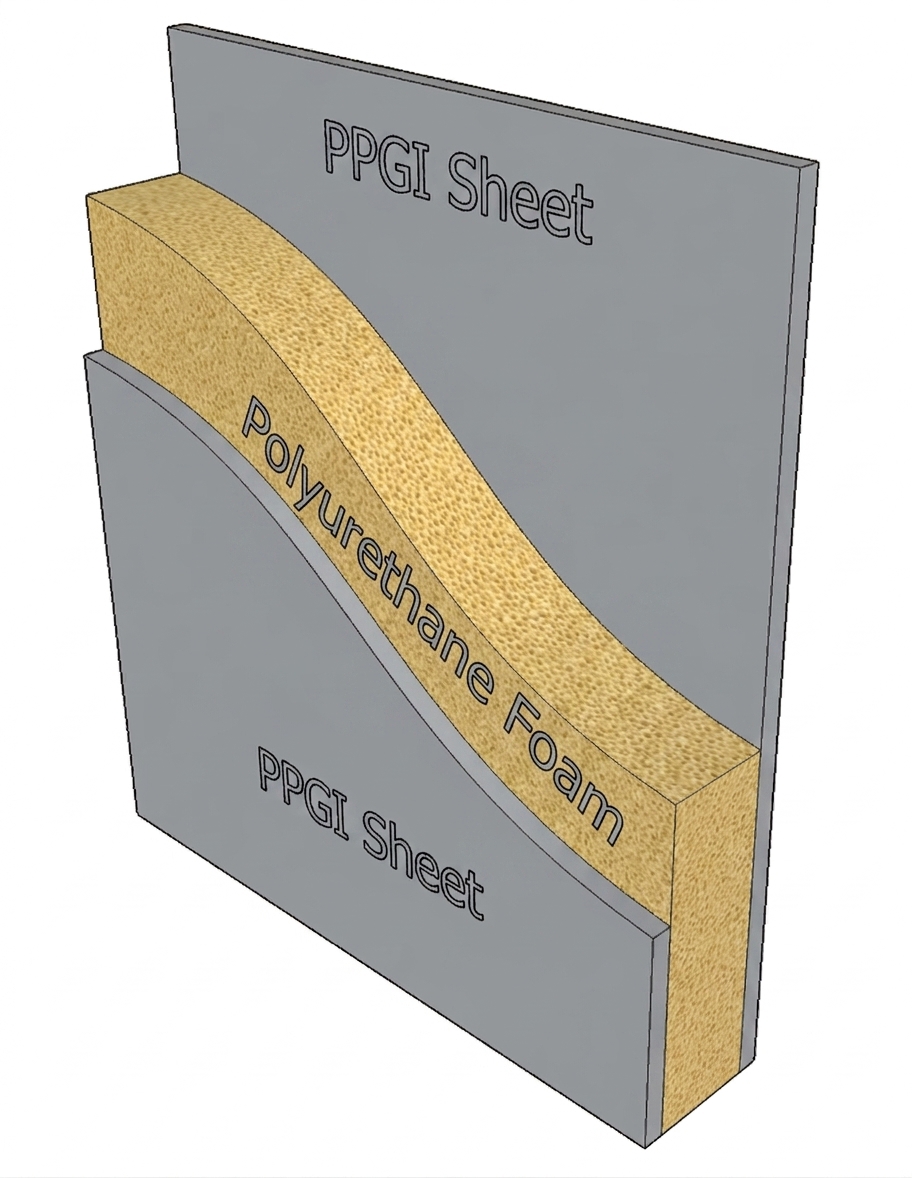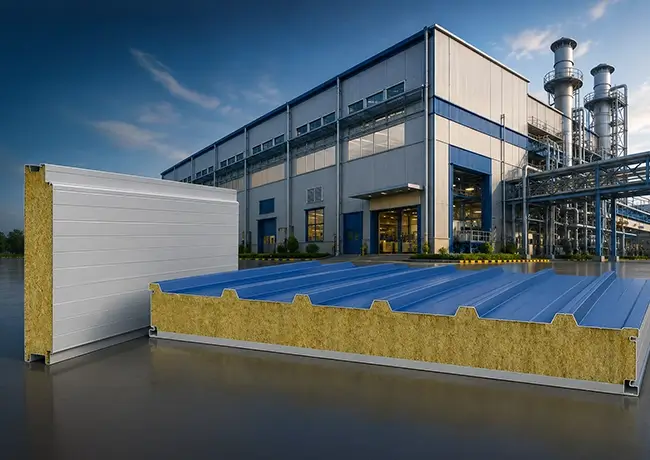

Sandwich Panel are often marketed as low maintenance building materials, and that is largely true. Compared to brick, concrete block, or traditional framed construction with separate insulation and cladding, Sandwich Panel require far less attention. But low maintenance does not mean zero maintenance. Buildings that get regular care last longer, perform better, and cost less to operate than buildings that are ignored until something breaks.
In this guide, we will walk through the maintenance tasks that actually matter for Sandwich Panel buildings. What to inspect, how often to inspect it, how to identify problems early, and what cleaning and repair steps keep your building performing well for 25 to 40 years or more.
Why Maintenance Matters
A Sandwich Panel building that is properly installed and maintained can last 30 to 40 years. The steel facings resist corrosion, the insulation core maintains its thermal performance indefinitely, and the panel system as a whole requires minimal intervention.
But that longevity depends on catching small problems before they become big ones. A sealant joint that dries out and cracks lets water into the wall cavity. Water inside the insulation degrades thermal performance and eventually corrodes the steel facings from the inside. A dent in the panel facing that exposes the insulation core lets in moisture and UV radiation that break down the foam.
None of these problems are catastrophic on their own. But left unattended for years, they compound into expensive repairs that could have been prevented with routine inspection and basic maintenance.
What to Inspect and How Often
A regular inspection schedule catches problems early. Here is what to look at and how frequently:
Quarterly visual walk around: Walk the perimeter of the building and look for obvious damage. Dents, scratches, discoloration, loose fasteners, or panel that appear to be shifting. This takes 15 to 20 minutes and requires no special training. If you see something that looks wrong, schedule a closer inspection.
Semi-annual joint inspection: Inspect all visible panel joints, both horizontal and vertical. Look for sealant that has cracked, pulled away from the panel surface, or is missing entirely. Pay special attention to joints around doors, windows, and penetrations where movement is most likely to cause sealant failure.
Annual fastener check: Check exposed fasteners on wall and roof panel. Look for loose screws, missing washers, or fasteners that have backed out due to thermal expansion and contraction cycles. Retighten or replace any compromised fasteners.
Annual roof inspection: Roof panel get the most abuse from weather, UV exposure, and thermal cycling. Inspect roof panel for loose fixings, damaged flashings, sealant deterioration at penetrations, and any signs of ponding water. Roof problems escalate quickly if ignored.
Joint and Seal Maintenance
Joints are the most critical maintenance point on a Sandwich Panel building. They are also the most vulnerable. The sealant that fills the gaps between panel is what keeps water and air out of the wall cavity. When sealant fails, everything else starts to degrade.
What to look for: Cracks in the sealant bead, sealant that has pulled away from one or both panel surfaces, sealant that has become hard and brittle, or gaps where sealant has fallen out entirely.
How to repair: Remove the failed sealant completely using a sealant removal tool or sharp blade. Clean the joint surfaces with a suitable cleaner to remove dirt, old adhesive residue, and moisture. Apply new sealant in a continuous bead, ensuring full contact with both panel surfaces. Tool the sealant to ensure proper adhesion and a clean finish.
What sealant to use: Use a sealant that is compatible with your panel facings and designed for outdoor exposure. Silicone sealants are common for Sandwich Panel joints because they remain flexible over a wide temperature range and resist UV degradation. Polyurethane sealants offer stronger adhesion but are less flexible. Check with your panel manufacturer for specific recommendations.
Identifying and Repairing Damage
Damage to Sandwich Panel falls into three categories, and each requires a different response:
Surface scratches and paint damage: Minor scratches that do not penetrate the steel facing are mostly cosmetic. Clean the area and apply touch up paint to prevent corrosion. For larger paint damage, clean the exposed steel, apply a rust inhibitor, and repaint with compatible coating.
Dents and impacts: Small dents that do not break the facing surface are generally cosmetic and do not affect performance. Larger dents that deform the panel profile can create gaps at joints and should be evaluated. If the dent has cracked the facing, it needs to be repaired to prevent moisture ingress.
Penetrations and punctures: Holes in the panel facing from impacts, fastener failures, or modifications require immediate attention. The insulation core is exposed to moisture and UV radiation. Clean the area, apply a patch using compatible material and sealant, and restore the facing surface. For large punctures, a panel section may need to be replaced entirely.
Cleaning Recommendations
Regular cleaning keeps your building looking professional and prevents buildup that can damage panel surfaces over time:
Frequency: Clean exterior panel at least once a year. Buildings near the coast, industrial areas, or busy roads may need more frequent cleaning due to salt spray, pollution, or dust accumulation.
Method: Wash panel with clean water and a mild detergent using a soft brush or low pressure washer. Avoid high pressure washing directly at panel joints, as this can force water past the sealant. Rinse thoroughly with clean water after washing.
What to avoid: Do not use abrasive cleaners, steel wool, or harsh chemicals on panel surfaces. These can damage the paint finish and expose the steel to corrosion. Do not use solvent based cleaners on EPS or PU panel, as some solvents can damage the foam core if they reach it through scratches.
Stain removal: Bird droppings, tree sap, and rust stains should be cleaned promptly. These contain acids that can etch paint finishes if left for extended periods. Use a dedicated cleaner for the specific stain type and rinse thoroughly.
Fastener Maintenance
Fasteners are small but critical. They hold the panel to the structure and maintain the compression that keeps joints sealed. Here is what to check:
Loose fasteners: Thermal expansion and contraction cycles can cause fasteners to back out over time. Retighten loose fasteners until the washer compresses slightly against the panel surface. Do not overtighten, as this can crush the panel core and create a thermal bridge.
Missing washers: Self-drilling screws used on Sandwich Panel should always have neoprene or EPDM washers. These washers seal the fastener hole against water ingress. Replace any fasteners with missing or damaged washers.
Corroded fasteners: In coastal or industrial environments, standard zinc plated fasteners may corrode over time. Replace corroded fasteners with stainless steel or coated fasteners rated for the environment.
How Maintenance Extends Building Life to 25 to 40 Years
The math is straightforward. A Sandwich Panel building that receives basic maintenance will outlast one that does not by decades:
Years 1 to 10: Minimal maintenance required. Annual inspections, occasional sealant touch ups, and regular cleaning. The building performs at or near its original specification.
Years 10 to 20: Joint sealant may need more extensive replacement in some areas. Fasteners may need replacement in high exposure locations. Panel facings may need repainting in areas with significant UV exposure.
Years 20 to 30: Major sealant replacement around all joints, doors, and windows. Full roof panel inspection and potential resealing. Some panel in high exposure areas may need facing replacement.
Years 30 to 40: With consistent maintenance, the building continues to perform. The insulation core has not degraded. The structure is sound. Individual panel can be replaced as needed without affecting the overall building.
Compare this to a neglected building where small problems compound. A single failed sealant joint that goes unrepaired for five years can allow enough moisture into the wall cavity to corrode multiple panel from the inside. Replacing corroded panel is expensive. Replacing sealant every few years is cheap.
Getting Started
Sandwich Panel maintenance is not complicated, but it does need to be scheduled and consistent. A simple maintenance calendar with quarterly, semi-annual, and annual tasks keeps your building in good condition and prevents costly surprises.
At RPS Construction, we not only manufacture and install Sandwich Panel, we also provide maintenance guidance and support for building owners across Bangladesh. Our team can help you set up a maintenance schedule tailored to your building's location, exposure, and usage.
Contact us to discuss maintenance needs for your Sandwich Panel building or to get a condition assessment for an existing structure.