
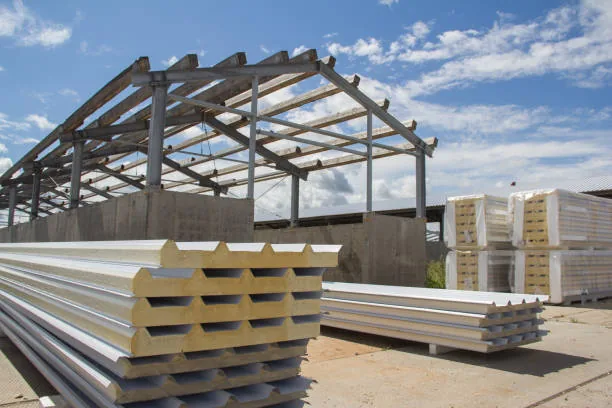
EPS vs PU vs Rockwool Sandwich Panel: Which One Should You Choose?
Three cores, three price points. Here is how they compare in real Bangladeshi conditions.
Why the core matters more than the skin
The two steel skins of a Sandwich Panel are similar across suppliers. What separates one panel from another is the core - and the core decides thermal performance, fire behaviour, moisture resistance and price. This guide compares the three cores we manufacture - EPS, PU and Rockwool - so you can specify with confidence. Full technical data for each is on our Sandwich Panel specifications page.
How to read the numbers on a specification sheet
When a supplier hands you a panel specification, the three numbers that matter are thermal conductivity (lower is better), fire class (A2 beats B), and density of the core (heavier usually means stronger, stiffer joints). Sheet metal gauge matters too - it decides how much beating the wall will survive on a busy site. The full RPS specification table for all three cores, with width, facing and coating options, is published on our products page so you can compare like for like with any other quote.
What the fire classes mean in practice
Fire classes describe behaviour, not safety. A Class B core is self-extinguishing: it burns while a flame is on it, but does not keep spreading fire on its own. A Class A2 core is non-combustible under test conditions. For a general factory, Class B is the norm. For buildings with escape routes, high-occupancy halls or insurance conditions demanding a mineral core, Rockwool removes the argument entirely - the difference is worth the premium where it is specified.
Comparison at a glance
| Property | EPS | PU (PUF) | Rockwool |
|---|---|---|---|
| Thermal performance | Good | Excellent - lowest conductivity | Very good |
| Fire behaviour | Class B / self-extinguishing | Class B / self-extinguishing | Non-combustible, Class A2 |
| Moisture | Absorbs water if damaged | Closed-cell, highly resistant | Mineral fibre, low absorption |
| Cold storage use | Dry stores above 0 °C | Freezers down to -25 °C | Fire-rated cold rooms |
| Cost | Lowest | Moderate | Highest |
| Best for | Factories, warehouses, homes | Cold storage, air-conditioned plants | Fire-rated buildings, escape routes |
EPS Sandwich Panel: the budget workhorse
Expanded polystyrene cores make EPS the most affordable Sandwich Panel in Bangladesh - and the most common. It insulates well, is light to transport and easy to handle, and delivers excellent value for factories, warehouses, workshop sheds and residential extensions. Choose thicker EPS (75-125 mm) where heat control matters most.
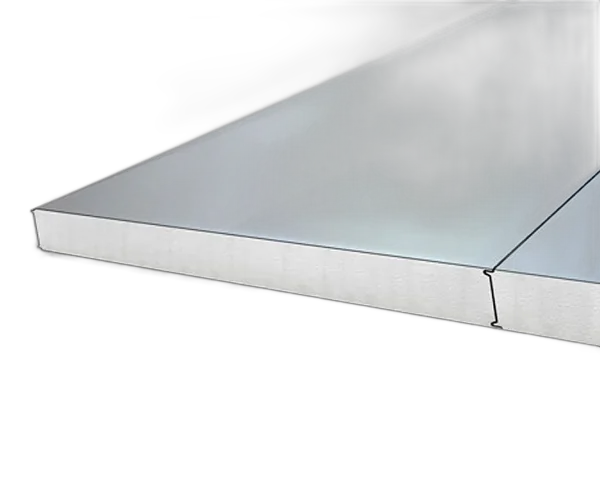
PU (PUF) Sandwich Panel: the cold storage favourite
Polyurethane foam is a closed-cell core with the lowest thermal conductivity of the three, which means more insulation in a thinner panel. It shrugs off moisture that would degrade other cores, which is why PU panel dominate cold storage and freezer construction, including facilities running down to freezing temperatures. If you are building a chiller or a clean, climate-controlled production area, start here.
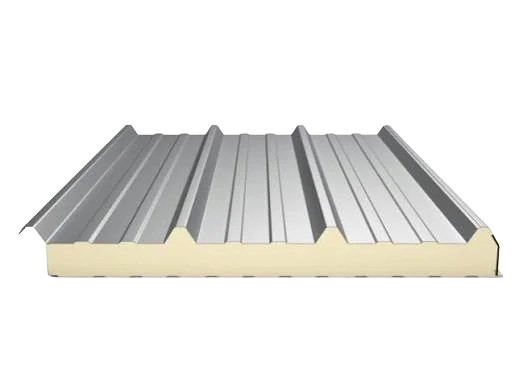
Rockwool Sandwich Panel: fire-rated protection
Rockwool panel are non-combustible (Class A2) with significantly better fire resistance - an important distinction in buildings where escape routes, fire walls or insurance requirements demand a mineral core. They cost more than EPS or PU, but for fire-rated industrial buildings they are the specification you can justify to an inspector.
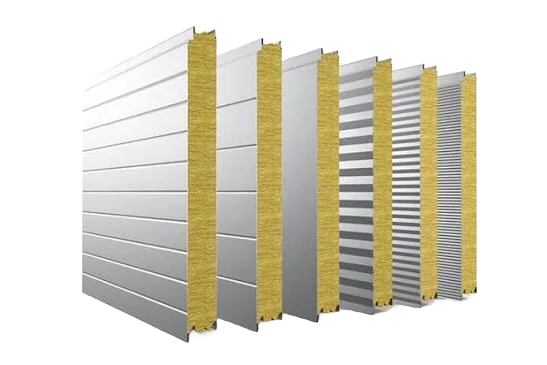
Which Sandwich Panel is right for your project?
- Is fire rating a requirement? Choose Rockwool.
- Is the space refrigerated? Choose PU.
- Is budget the deciding factor for a general-purpose building? Choose EPS - at the right thickness.
- Mixed needs? Combination buildings mix cores by zone; we quote each area separately.
Talk to a supplier who sells all three
RPS Construction manufactures and supplies EPS, PU and Rockwool panel, so our advice is not tied to one product. Tell us your application and we will recommend the honest minimum specification - request a quote and get a written rate within one working day with nationwide delivery.
One practical rule: when in doubt between cores at the same thickness, look at the application rather than the price difference - and ask one supplier to quote the same specification in all three cores before deciding. That comparison shows the true premium for the performance you need.